




Hyperbaric oxygen therapy uses a pressurized chamber to expose a person to oxygen under conditions that differ from normal atmospheric pressure. Hyperbaric Oxygen Therapy Benefits are often discussed in relation to recovery, tissue response, and inflammation, but the topic deserves careful language. Research findings can vary by condition, protocol, pressure level, treatment schedule, and study design, so the technology should not be presented as a guaranteed way to reduce inflammation for every person.
A useful 2026 overview separates the physics of the chamber from the outcomes people hope to achieve. Increased pressure changes how oxygen behaves in the body, while biological responses depend on far more than one session or one measurement. Readers should understand both the technical concepts and the limits of broad wellness claims.
Hyperbaric Oxygen Therapy Benefits are easier to understand when pressure and oxygen exposure are explained first.
Inside a hyperbaric chamber, pressure rises above normal atmospheric conditions. Depending on the system, oxygen may be delivered through the chamber environment, a mask, a hood, or another method. The exact setup matters because pressure, oxygen concentration, treatment duration, and chamber type can vary considerably.
The potential benefits should therefore be discussed with the specific protocol in mind. Two chambers that look similar may operate at different pressures or use different oxygen-delivery methods, making direct comparisons difficult without technical details.
- Review the chamber’s operating pressure.
- Understand how oxygen is delivered.
- Check the duration of each session.
- Consider how often sessions are scheduled.
- Compare protocols rather than marketing phrases alone.
Hyperbaric Oxygen Therapy Benefits should be separated from claims that inflammation will always decrease.
Inflammation is a broad biological process involved in many different situations. It can be short-term or long-lasting, local or widespread, and influenced by injury, infection, immune activity, exercise, lifestyle, and other factors. Because the word covers many processes, a single statement about “reducing inflammation” can be too vague to be meaningful.
When reading research, look for what investigators actually measured. A study may examine laboratory markers, imaging findings, symptom reports, tissue changes, or functional outcomes. These are different endpoints and should not be treated as interchangeable.
Hyperbaric Oxygen Therapy Benefits depend on the context in which inflammation is being studied.
A protocol studied after a particular injury should not automatically be generalized to exercise soreness, chronic inflammatory conditions, or ordinary post-workout fatigue. The population, chamber pressure, session length, and outcome measures all affect how findings should be interpreted.
The topic is most accurately discussed when the article names the specific context rather than using one broad conclusion for every situation. Careful interpretation protects readers from assuming that research on one condition proves a universal effect.
Hyperbaric Oxygen Therapy Benefits can be explored through oxygen transport and tissue exposure.
Under increased pressure, more oxygen can dissolve in plasma than under ordinary atmospheric conditions. This physical effect is one reason hyperbaric environments are studied. However, a measurable increase in oxygen availability does not automatically translate into a predictable outcome for every tissue or every person.
Biology is more complex than the physics of gas pressure. Blood flow, tissue condition, individual physiology, timing, and the reason for treatment can all influence what happens after oxygen reaches the body.
Hyperbaric Oxygen Therapy Benefits should not be inferred from oxygen levels alone.
It is tempting to assume that more available oxygen must always create a stronger result. That conclusion overlooks the fact that biological systems respond to dose, timing, and context. More exposure is not automatically better, and treatment schedules are not interchangeable.
The topic should therefore be discussed with an emphasis on measured protocols rather than slogans such as “maximum oxygen equals maximum recovery.” That type of wording oversimplifies both the technology and the research.
Hyperbaric Oxygen Therapy Benefits may be studied alongside cellular signaling and tissue response.
Researchers sometimes examine how pressurized oxygen exposure relates to signaling pathways, oxidative processes, vascular responses, and other biological mechanisms. These areas can help explain why the therapy is scientifically interesting, but mechanism studies are not the same as proof of a specific real-world result.
Readers should distinguish between a proposed mechanism and a demonstrated outcome. A laboratory finding can help generate a hypothesis, while larger and better-controlled human studies are needed to understand whether that hypothesis produces meaningful effects in practice.
Hyperbaric Oxygen Therapy Benefits are easier to evaluate when study design is explained clearly.
Research quality matters. Sample size, control groups, blinding, treatment duration, participant characteristics, and the way outcomes are measured all affect how much confidence can be placed in a result.
A small exploratory study can be useful without answering every question. Responsible content should describe early findings as early findings rather than presenting them as settled conclusions.
Hyperbaric Oxygen Therapy Benefits should be considered alongside ordinary recovery habits.
Sleep, nutrition, hydration, training load, stress management, and rest can all affect how a person feels during recovery. A chamber session does not make those foundations unimportant.
For athletes or active adults, Hyperbaric Oxygen Therapy Benefits are best considered as one possible component of a larger routine rather than a replacement for basic recovery practices. The same principle applies to massage, compression equipment, sauna use, cold exposure, and other popular recovery tools.
Hyperbaric Oxygen Therapy Benefits can vary with chamber type, pressure, and session structure.
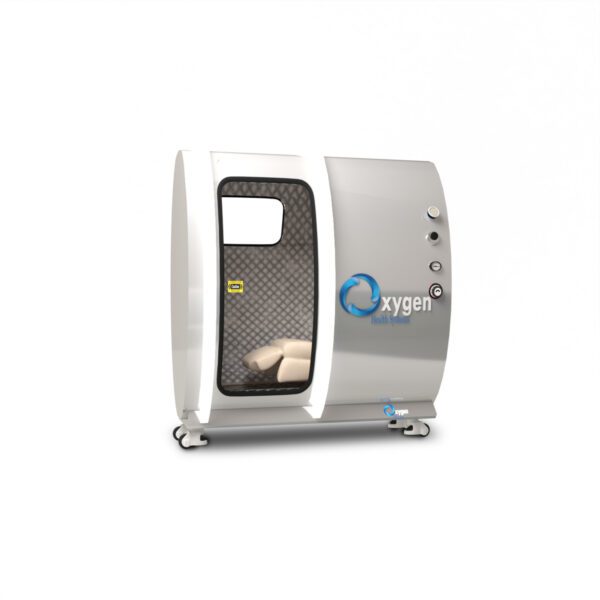
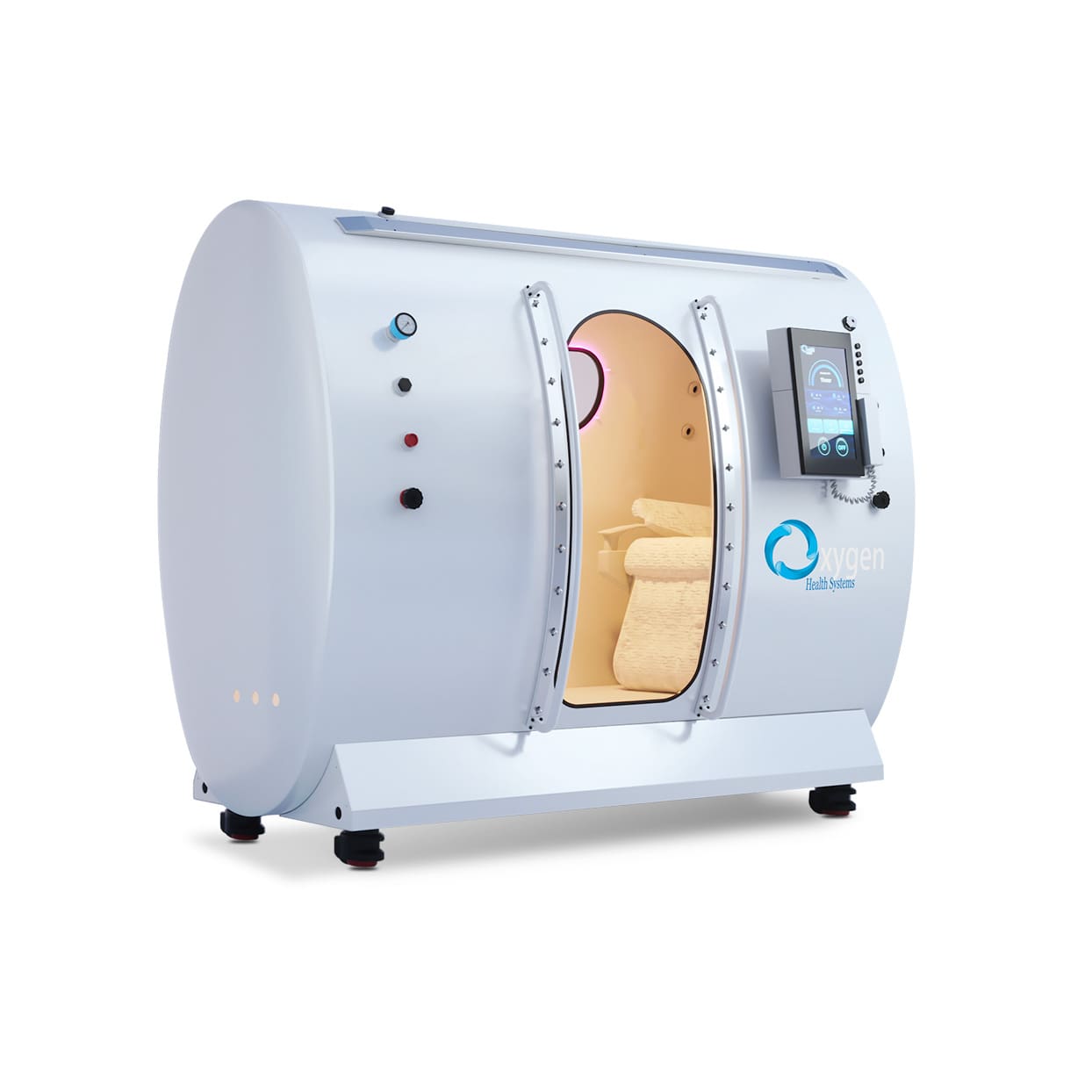
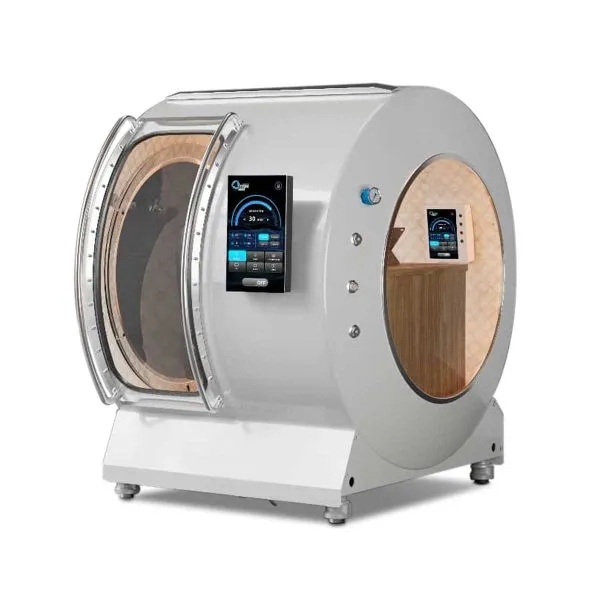
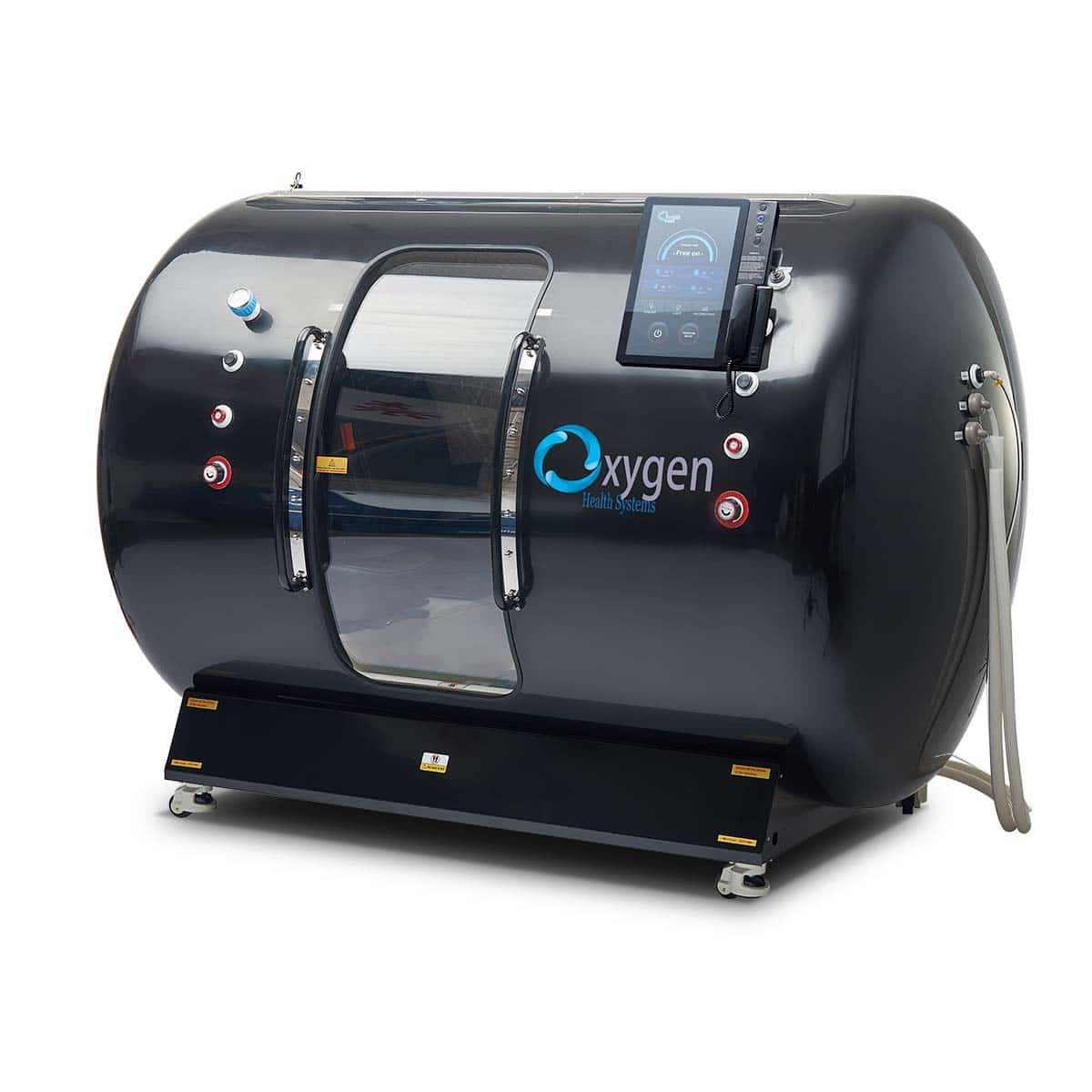
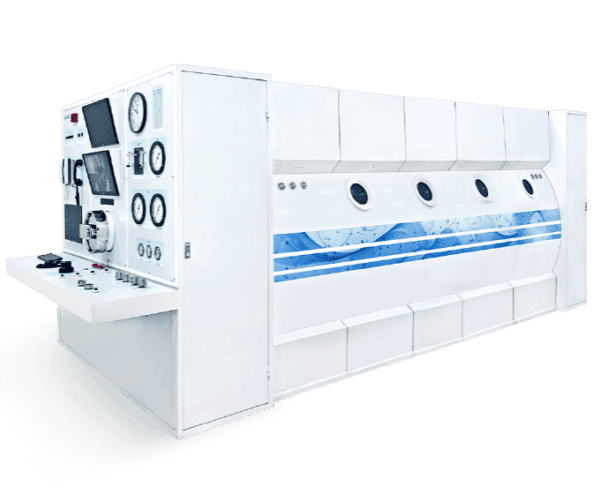
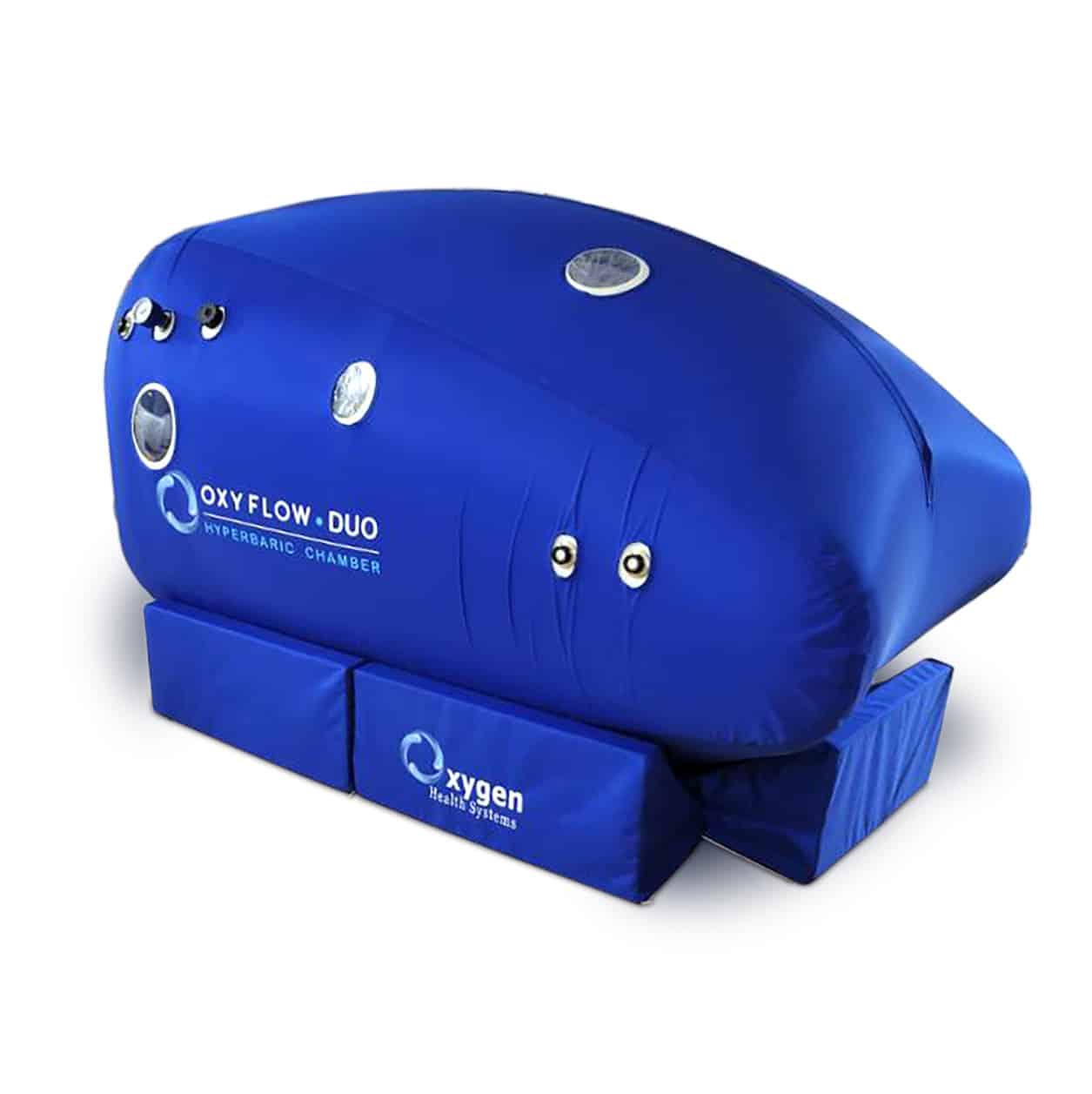
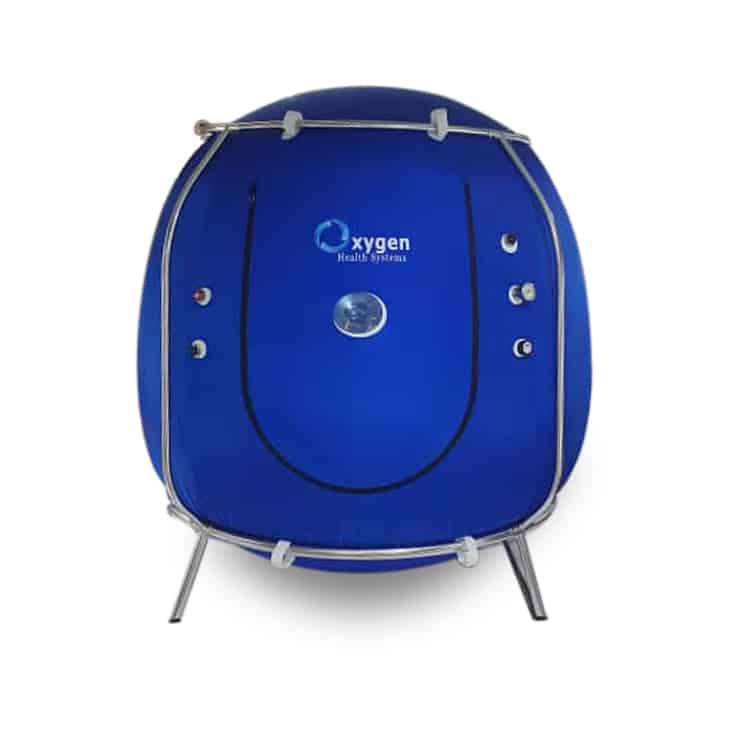
Monoplace chambers, multiplace chambers, rigid systems, and soft-sided systems can differ substantially in construction and operating conditions. Their pressure ranges, oxygen delivery, monitoring, user position, and capacity may not be the same.
Potential benefits should not be compared without checking these technical differences. A product page that lists only the chamber size or visual design does not provide enough information to understand the exposure being delivered.
Hyperbaric Oxygen Therapy Benefits should be presented with transparent equipment specifications.
Clear specifications help readers understand what a chamber is designed to do. Useful details include rated operating pressure, oxygen-delivery method, session controls, user capacity, communication features, and recommended operating procedures.
Marketing terms such as “advanced,” “professional,” or “high performance” are less informative than measurable specifications. Technical clarity makes product comparisons more useful and reduces the chance that readers will confuse branding with evidence.
Hyperbaric Oxygen Therapy Benefits content should use accurate page titles instead of guaranteed outcome language.
A page title can discuss oxygen pressure, inflammation research, chamber protocols, or recovery-related questions without promising that a reader will experience a specific result. Titles should reflect the actual scope of the article.
The visible H1 should also align closely with the title shown in search results. This creates a smoother experience and reduces the chance that readers feel misled after clicking.
Hyperbaric Oxygen Therapy Benefits pages should use concise meta descriptions that match the visible article.
A meta description can summarize the article by mentioning chamber pressure, oxygen exposure, inflammation research, or study limitations. It should not add stronger claims than the page itself supports.
Good descriptions are written for people first. Their job is to explain what the reader will find, not to repeat a search phrase as many times as possible.
Hyperbaric Oxygen Therapy Benefits articles should follow a logical heading hierarchy from H1 through H4.
Use one H1 for the main topic, H2 headings for major sections, H3 headings for supporting ideas, and H4 headings only when a deeper subsection is genuinely useful. Heading levels should represent content relationships rather than simply changing text size.
This structure is especially useful for technical articles because readers may want to jump directly to pressure, oxygen delivery, inflammation research, chamber types, or study quality.
Hyperbaric Oxygen Therapy Benefits pages benefit from internal links that explain related technical concepts.
Internal links can connect readers to articles about ATA pressure, oxygen delivery, chamber construction, session structure, athlete recovery, or research terminology. Descriptive anchor text is more useful than vague wording such as “click here.”
A few relevant internal links are better than dozens of repeated links. Each link should answer a natural follow-up question or help readers understand the technology more clearly.
Hyperbaric Oxygen Therapy Benefits pages should use meaningful images and accurate alternative text.
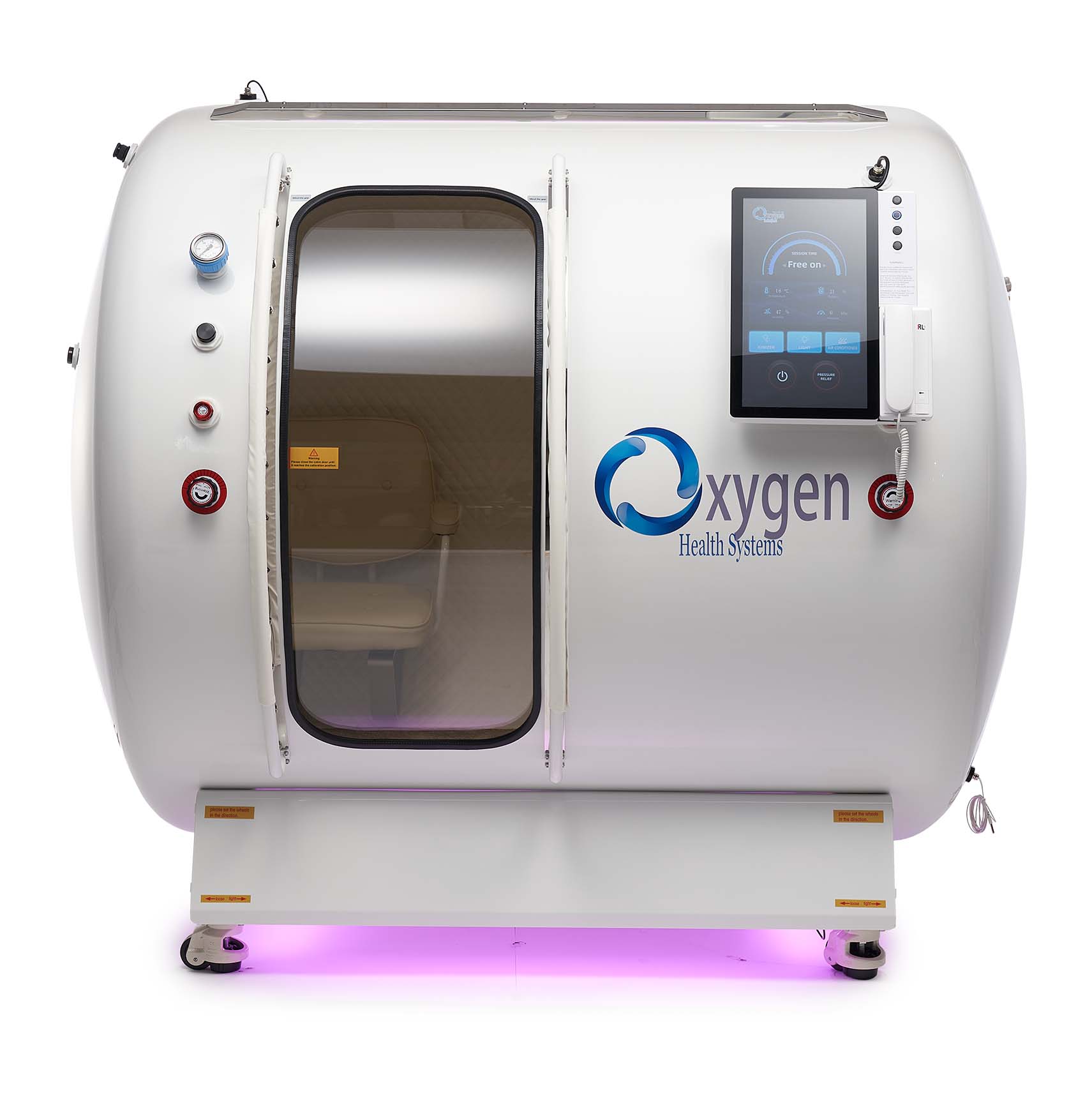
Useful visuals may show a chamber interior, control panel, oxygen-delivery system, pressure diagram, or treatment setup. When an image communicates information, alternative text should briefly describe what is visible for people using screen readers.
Alternative text should not be used for keyword stuffing. A photo of a rigid chamber with a control panel should be described literally rather than filled with promotional language.
Hyperbaric Oxygen Therapy Benefits pages should meet Core Web Vitals and mobile-first expectations in 2026.
Equipment and wellness websites often contain large photos, videos, 3D renders, comparison tools, and contact forms. Poor optimization can make pages slow, unstable, or difficult to navigate on a phone.
Core Web Vitals provide a practical framework for loading performance, interaction responsiveness, and visual stability. Compress images, reserve space for media, reduce unnecessary scripts, and test important pages on slower mobile connections.
- Resize chamber photos before uploading them.
- Reserve dimensions for videos and technical diagrams.
- Keep specification text readable on smaller screens.
- Make navigation and contact buttons easy to tap.
- Avoid layout shifts caused by late-loading media.
Hyperbaric Oxygen Therapy Benefits content can use schema markup when it accurately matches visible information.
Structured data can help search systems understand whether a page is an article, product page, organization page, author page, or breadcrumb trail. The markup should accurately reflect information that visitors can see.
Schema does not make a therapy claim more credible. Quality still depends on transparent sourcing, current information, careful wording, and responsible interpretation of research.
Hyperbaric Oxygen Therapy Benefits articles should demonstrate quality through transparent sourcing and authorship.
Readers should be able to see who wrote or reviewed the article, when it was published, and when it was updated. Statements about pressure, oxygen exposure, inflammation, or study findings should be supported by reliable sources when references are appropriate.
This content becomes stronger when it explains uncertainty. Research involving one protocol, chamber type, condition, or population should not automatically be generalized to every user or every system.
Hyperbaric Oxygen Therapy Benefits content should remain accessible to readers with different technical backgrounds.
Accessible pages use semantic headings, readable contrast, descriptive links, keyboard-friendly navigation, meaningful image descriptions, and clearly labeled forms. Terms such as ATA, plasma oxygen, oxidative signaling, and treatment protocol should be explained in plain language.
Short paragraphs, useful lists, readable typography, and mobile-friendly layouts make technical information easier to understand across different devices and experience levels.
Hyperbaric Oxygen Therapy Benefits discussions should avoid common mistakes that create unrealistic expectations.
One common mistake is treating inflammation as one simple condition. Another is assuming that a biological mechanism automatically proves a clinical outcome. Publishers can also create confusion by using testimonials as though they were equivalent to controlled research.
- Do not promise guaranteed inflammation reduction.
- Avoid treating all chamber protocols as equivalent.
- Do not assume that higher pressure automatically means a better result.
- Avoid generalizing one study to every condition or population.
- Do not use testimonials as universal evidence.
- Avoid keyword stuffing in headings, links, or image descriptions.
- Do not neglect mobile performance, accessibility, or updated information.
Hyperbaric Oxygen Therapy Benefits are most useful when evidence, context, and realistic expectations come first.
Hyperbaric oxygen therapy can be explained without exaggeration. Pressurized oxygen exposure creates measurable physical changes, while biological outcomes depend on the protocol, the individual, and the condition being studied. That distinction is essential when discussing inflammation-related research.
For publishers, responsible content combines accurate titles, concise meta descriptions, logical headings, useful internal links, meaningful alt text, strong Core Web Vitals, appropriate schema, transparent sourcing, mobile-first design, and accessible formatting.
In 2026, Hyperbaric Oxygen Therapy Benefits are best discussed as an evidence-based research topic rather than a promise of inflammation reduction. Clear technical information, careful interpretation of studies, and realistic expectations give readers a stronger foundation for understanding what hyperbaric therapy can and cannot be assumed to do.



0 Comments