
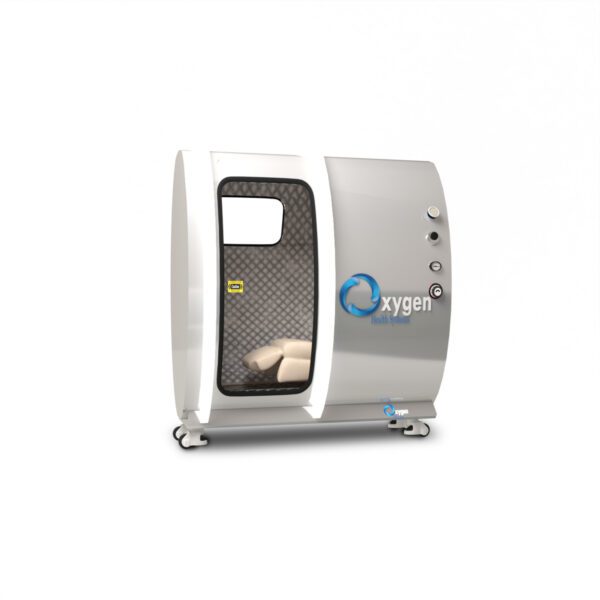
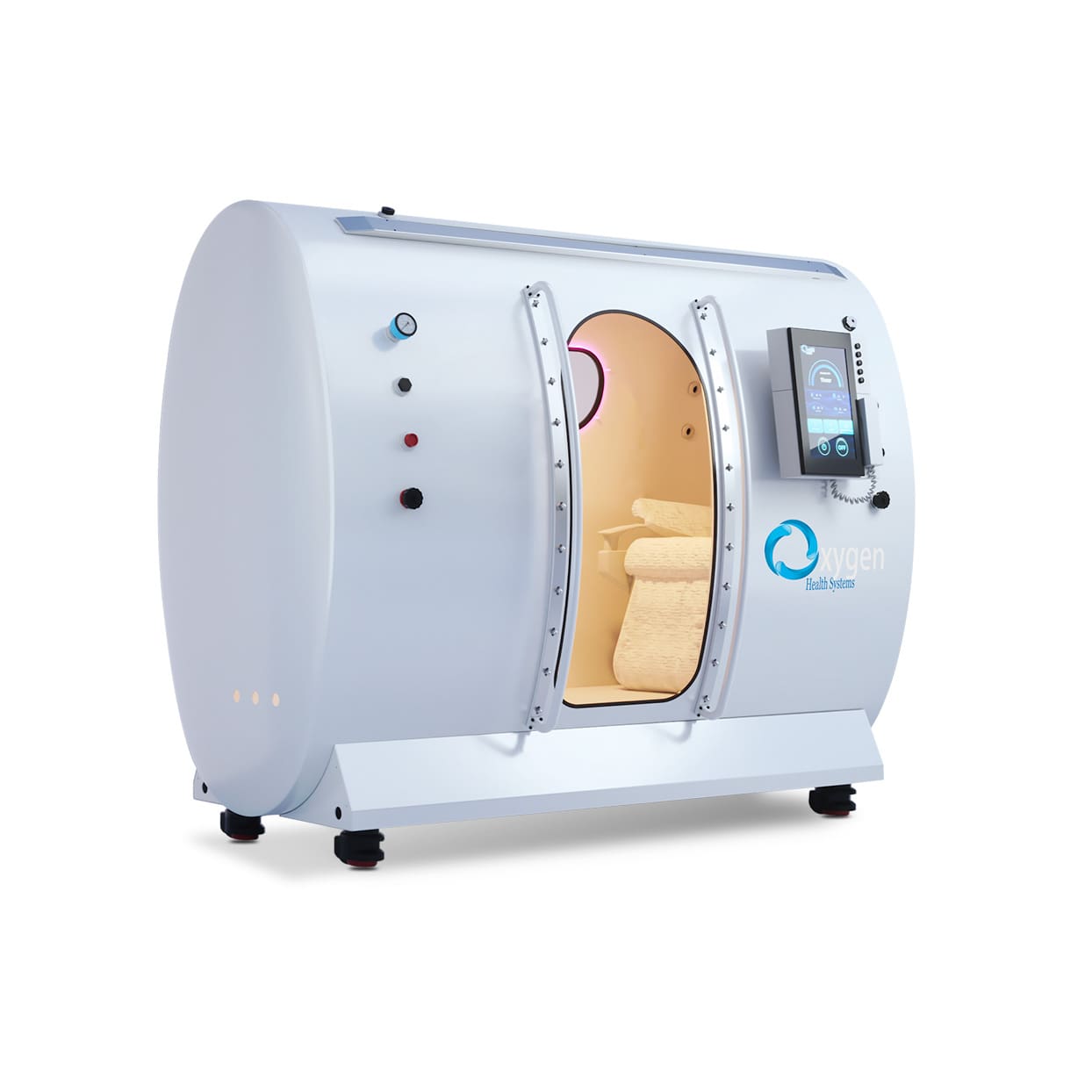

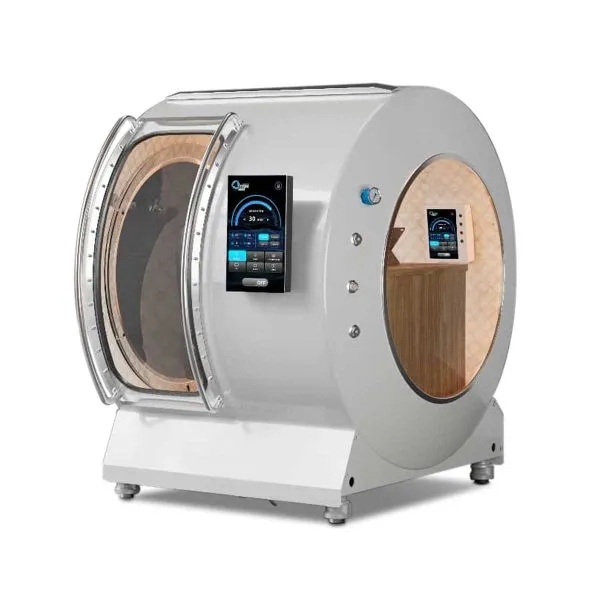
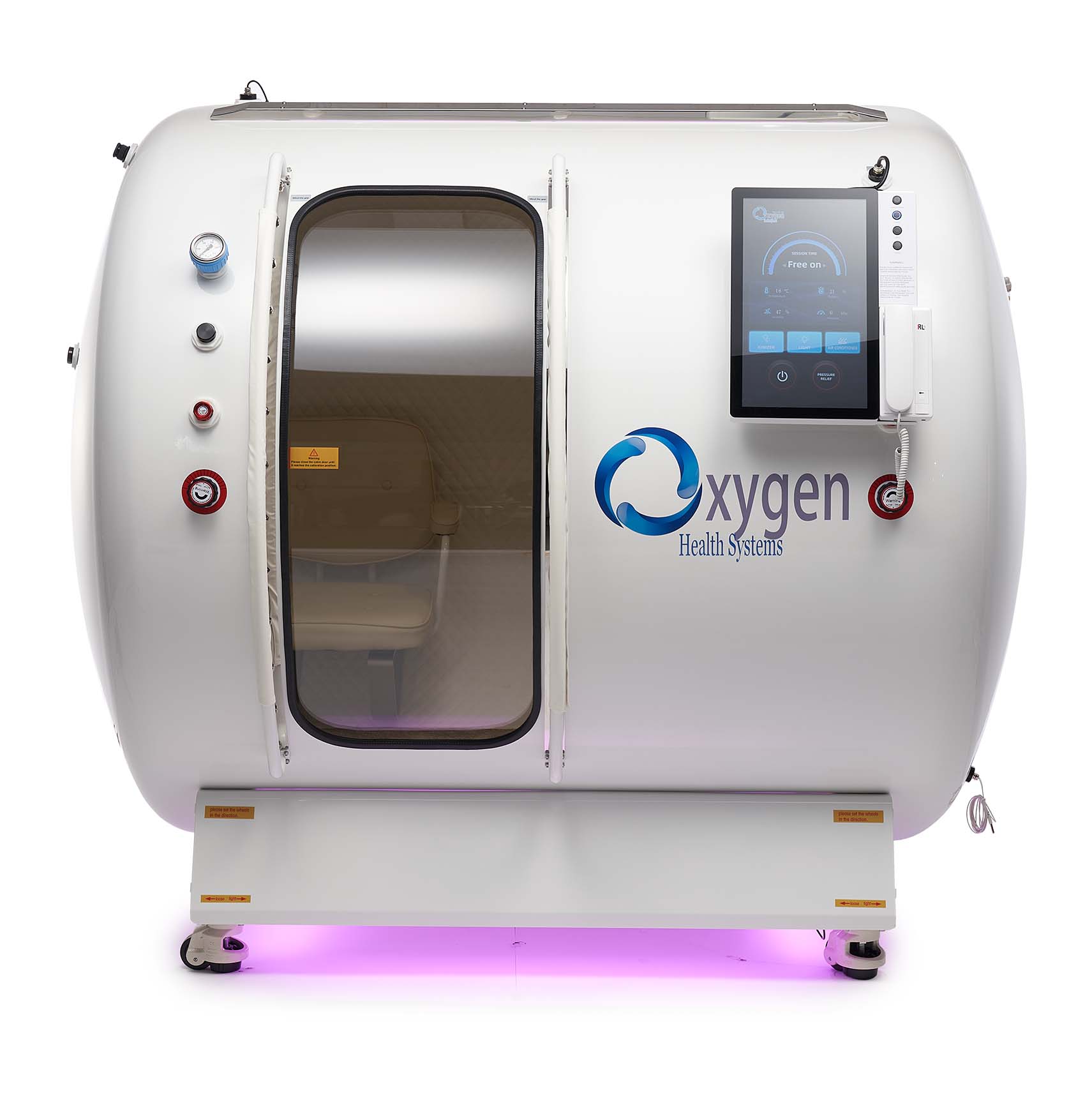

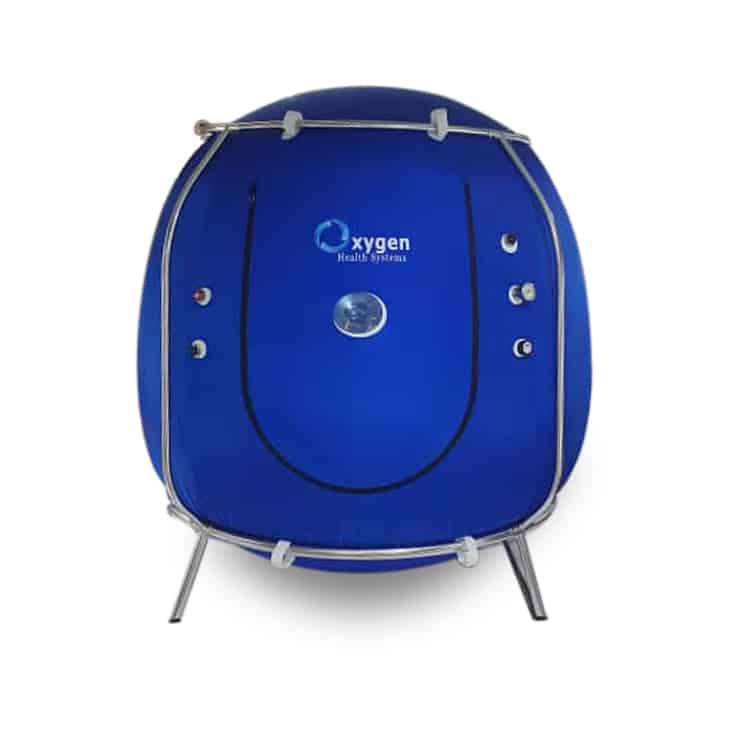

Choosing between chamber styles can be confusing because product pages often emphasize comfort, pressure capability, portability, or premium construction without explaining how those differences affect the user experience. Soft-Shell vs. Hard-Shell Oxynova Chambers is best understood as a comparison of design, operating environment, pressure range, oxygen delivery setup, space requirements, maintenance, and intended use rather than a promise that one design will produce a guaranteed health outcome.
<< Check Price & Availability >>
For U.S. readers comparing equipment in 2026, the most useful approach is to focus on verified specifications and practical ownership factors. The phrase “healing most effectively” should be treated carefully because chamber design alone does not establish a predictable personal result. This guide explains how the two formats differ and how to evaluate them without relying on exaggerated claims.
Soft-Shell vs. Hard-Shell Oxynova Chambers differ first in construction and pressure capability.
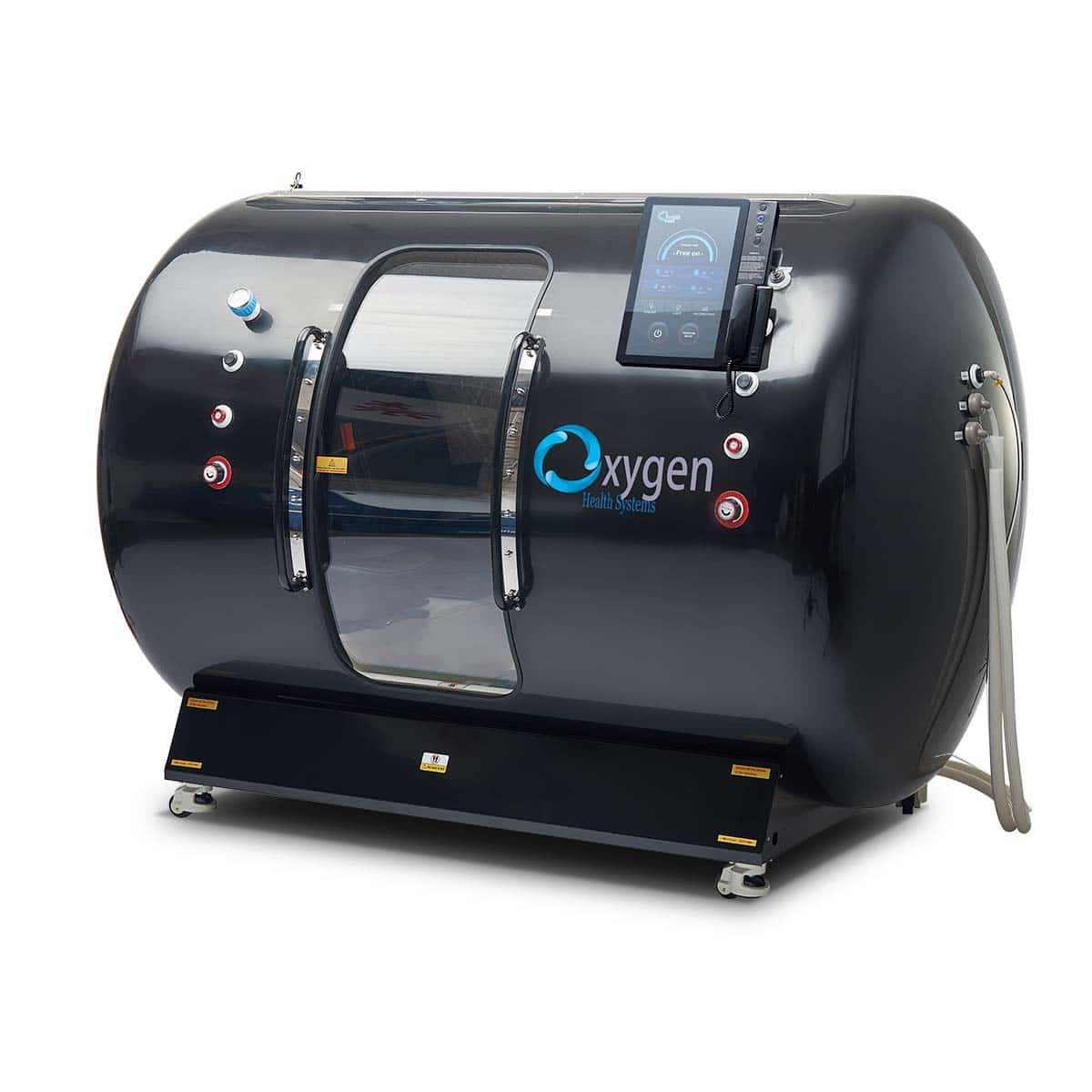
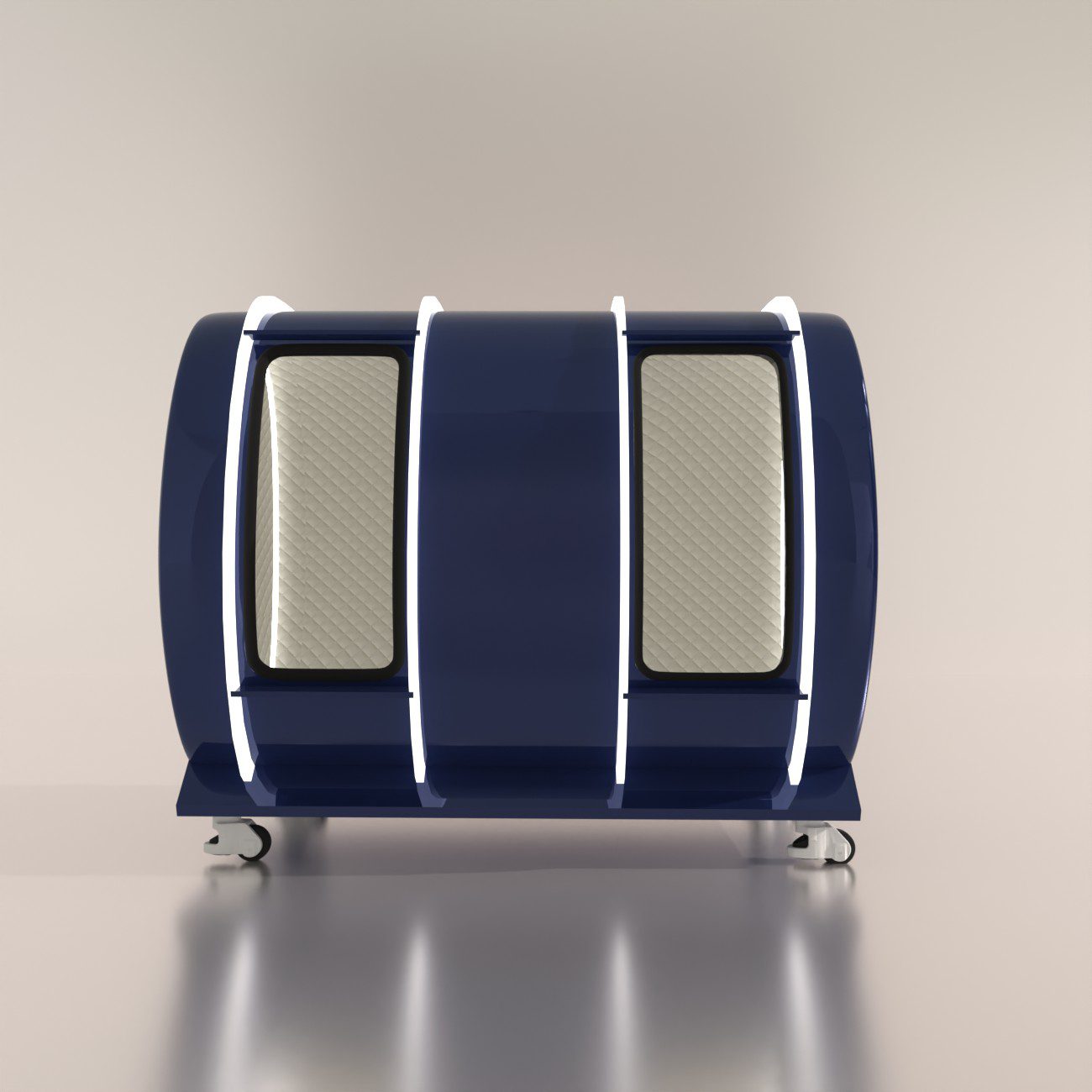
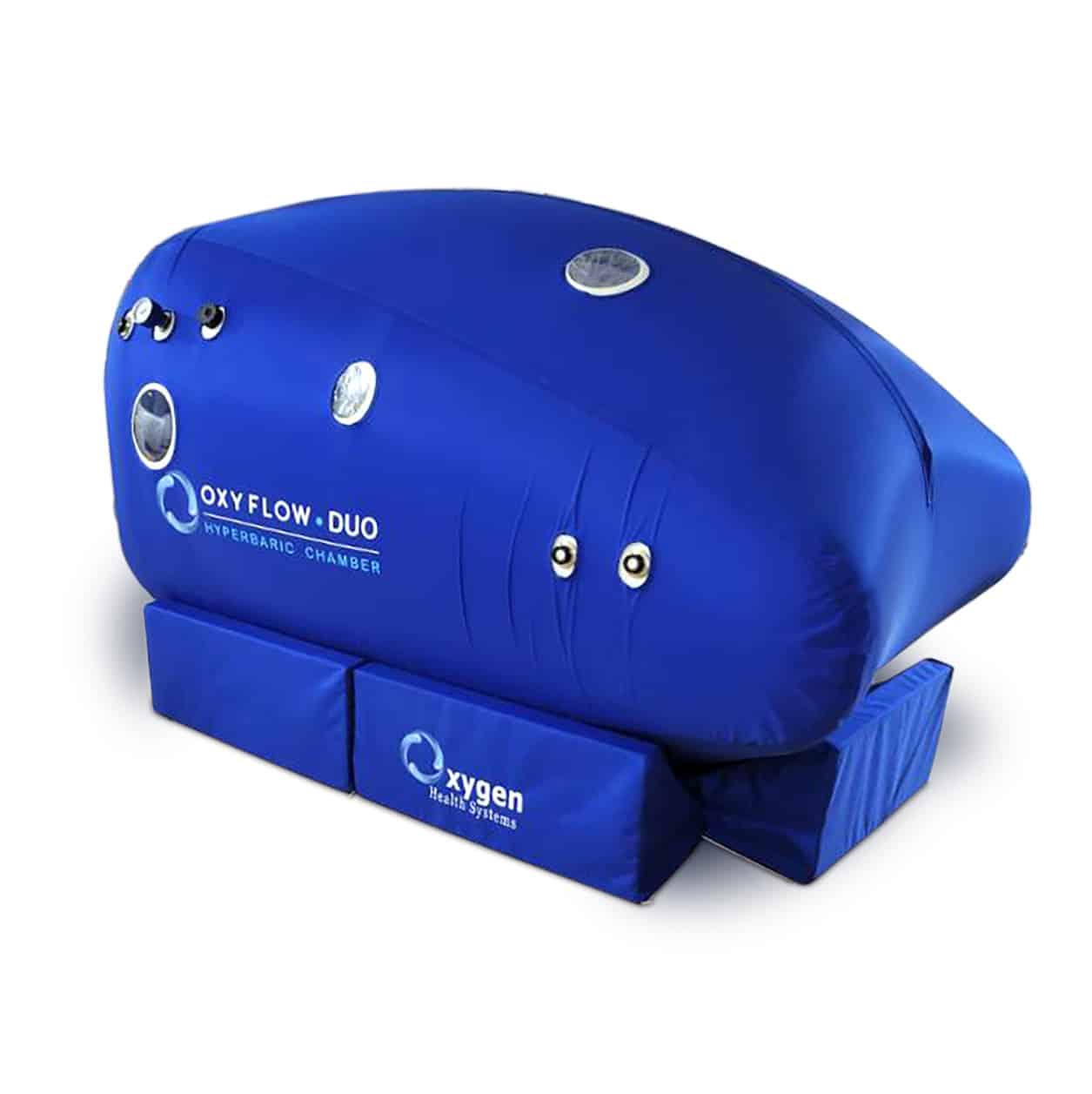
Soft-shell chambers use flexible materials that expand into shape as the chamber is pressurized. Hard-shell chambers use a rigid body, typically built from stronger structural materials designed to maintain their shape without relying on inflation. This basic construction difference influences portability, installation, pressure range, access, appearance, and long-term maintenance.
When evaluating these two chamber styles, compare the manufacturer's stated operating pressure rather than assuming that one category always performs the same as another. Models can vary significantly, and pressure ratings should be confirmed from current technical documentation.
- Compare the stated maximum operating pressure.
- Review the chamber material and structural design.
- Check entry dimensions and internal usable space.
- Confirm electrical and oxygen-system requirements.
- Review installation, ventilation, and room-space needs.
Soft-Shell vs. Hard-Shell Oxynova Chambers should be compared by verified pressure specifications.
Pressure is one of the most important technical differences between chamber formats. A higher numerical pressure specification does not automatically mean a better choice for every buyer, but it can indicate that the equipment is designed for a different operating environment.
The two chamber categories should therefore be evaluated using the same measurement units and conditions. If one product lists pressure in ATA and another uses PSI or another format, convert or compare them carefully so the numbers are meaningful.
Soft-Shell vs. Hard-Shell Oxynova Chambers can deliver different user experiences even when both use added oxygen.
Oxygen delivery can vary by system configuration. Depending on the chamber and setup, oxygen may be supplied through a mask, cannula, hood, concentrator, or another approved component. The chamber pressure and oxygen-delivery method should be considered separately because they describe different parts of the system.
Buyers should ask how oxygen is supplied, what accessories are included, whether the oxygen source is integrated or separate, and what operating instructions apply. Avoid assuming that the chamber shell alone determines oxygen concentration or user exposure.
Soft-Shell vs. Hard-Shell Oxynova Chambers differ significantly in portability and installation needs.
Soft-shell models are often easier to relocate because flexible chambers can be lighter and less permanent than rigid systems. This can make them attractive for locations where space is limited or where the equipment may need to be moved.
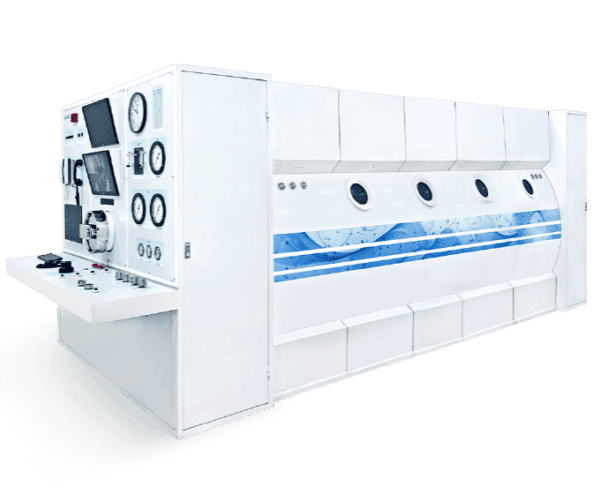
Hard-shell units are generally more substantial installations. They can require additional planning for delivery routes, doorway clearance, floor space, electrical connections, ventilation, and service access. Buyers should review these practical issues before ordering.
Soft-Shell vs. Hard-Shell Oxynova Chambers should be measured against the space available in the intended room.
Do not compare only exterior product photos. Check full dimensions, door opening requirements, recommended clearance, control-system placement, oxygen equipment, and the space required for an operator to move comfortably around the chamber.
Flexible and rigid chambers can look similar in online images while demanding very different real-world footprints. Measuring the installation area before purchase can prevent expensive surprises.
Soft-Shell vs. Hard-Shell Oxynova Chambers offer different entry, comfort, and interior-layout considerations.
Entry style matters for daily use. Flexible chambers may use zipper-based access, while rigid models may use engineered doors or larger openings. Internal diameter, chamber length, windows, lighting, communication systems, and seating or mattress arrangements also influence comfort.
When comparing the two formats, consider who will use the equipment, how easily they can enter and exit, whether they prefer sitting or lying down, and how much interior space feels comfortable. These practical factors often matter as much as exterior appearance.
Soft-Shell vs. Hard-Shell Oxynova Chambers should be reviewed for communication and monitoring features.
Communication with the person inside a chamber is an important operational feature. Some systems include intercoms, external control panels, pressure gauges, viewing windows, or monitoring accessories. The exact configuration depends on the model.
Buyers should confirm which features are standard and which are optional. A professional-looking control panel should not be treated as proof of superior performance; its value depends on what it actually controls and how clearly the system is documented.
Soft-Shell vs. Hard-Shell Oxynova Chambers have different maintenance and cleaning considerations.
Flexible materials and rigid shells require different care routines. Soft surfaces may need inspection for seams, zippers, hoses, fittings, and material wear. Rigid systems may involve doors, seals, control hardware, gauges, electrical systems, and structural surfaces that require scheduled inspection.
The chamber options should be compared using the manufacturer's maintenance schedule, cleaning instructions, replacement-part availability, and service support. Long-term ownership cost can be affected as much by maintenance as by the initial purchase price.
Soft-Shell vs. Hard-Shell Oxynova Chambers can have very different purchase and ownership costs.
Initial price is only one part of the total cost. Delivery, installation, oxygen equipment, electrical requirements, room preparation, servicing, replacement components, and staff training may also affect the final budget.
Before choosing a chamber, create a simple ownership checklist. Ask for written details about what is included in the quoted price and what must be purchased separately.
- Chamber and control system
- Oxygen-delivery components
- Shipping and installation
- Room preparation
- Routine maintenance
- Replacement seals, hoses, filters, or other parts
- Technical support and service availability
Soft-Shell vs. Hard-Shell Oxynova Chambers should not be chosen from marketing claims alone.
A polished product page can make any model appear ideal. Instead of relying on phrases such as “advanced,” “professional,” or “high performance,” look for measurable specifications and clear documentation.
For Soft-Shell vs. Hard-Shell Oxynova Chambers, useful facts include pressure range, internal dimensions, operating controls, oxygen-system requirements, warranty details, service support, and installation instructions. These facts are easier to compare than broad promotional statements.
Soft-Shell vs. Hard-Shell Oxynova Chambers should be represented online with accurate page titles and meta descriptions.
If you publish a comparison article, the page title should describe the two chamber types clearly. Avoid titles that promise guaranteed recovery, healing, or performance because the page should educate readers rather than predict personal outcomes.
A meta description should summarize the practical comparison in plain language. It can mention chamber construction, pressure, oxygen delivery, comfort, installation, maintenance, and cost so readers know what the article actually covers.
Soft-Shell vs. Hard-Shell Oxynova Chambers content needs a logical heading hierarchy for easy scanning.
A single H1 should establish the main comparison. H2 headings can organize major topics such as pressure, comfort, maintenance, and website information. H3 and H4 headings should support those sections without skipping levels unnecessarily.
Clear hierarchy improves readability, especially on long comparison pages. It also makes it easier for readers to jump directly to the information they care about most.
Soft-Shell vs. Hard-Shell Oxynova Chambers pages benefit from useful internal links to related specifications.
Internal links can connect readers to individual chamber models, pressure explanations, accessory pages, installation guides, warranty information, and maintenance resources. Descriptive anchor text is more helpful than generic phrases such as “read more.”
When internal links are organized logically, a comparison page becomes a useful starting point instead of an isolated article. Readers can move from general differences to specific product information without searching the entire website.
Soft-Shell vs. Hard-Shell Oxynova Chambers images should include accurate alternative text.
Product photography can help readers understand size, entry design, controls, windows, and interior layout. Meaningful images should use concise alt text that describes what is visible rather than repeating promotional keywords.
For example, an image showing a rigid chamber with an external control panel should be described in plain language. Alt text should support accessibility first and should not be used for keyword stuffing.
Soft-Shell vs. Hard-Shell Oxynova Chambers comparison pages should meet Core Web Vitals basics.
Large product images, embedded videos, galleries, and comparison tables can slow down a page if they are not optimized. Core Web Vitals provide a useful framework for monitoring loading performance, responsiveness, and visual stability.
Compress images, reserve space for media, reduce unnecessary scripts, and avoid loading oversized galleries before the reader needs them. A fast comparison page makes it easier for visitors to review multiple chamber options.
- Use appropriately sized images for desktop and mobile.
- Reserve dimensions for photos and videos.
- Limit autoplay media.
- Reduce scripts that do not improve the comparison.
- Test the page on slower mobile connections.
Soft-Shell vs. Hard-Shell Oxynova Chambers content should follow a mobile-first layout strategy.
Many buyers research equipment from phones before returning later on a larger screen. Mobile pages should therefore keep comparison sections readable, buttons easy to tap, images properly sized, and navigation simple.
Long specification tables can be difficult on small screens. When possible, use shorter lists, clearly separated specification groups, or responsive layouts that preserve readability without horizontal scrolling.
Soft-Shell vs. Hard-Shell Oxynova Chambers pages can use schema markup when it matches visible content.
Structured data can help search systems understand an article, product, organization, breadcrumb trail, or other supported content type. The markup should match the information actually shown to visitors.
Schema should never be used to add claims that are absent from the visible page. It supports organization and search interpretation, but it does not replace accurate specifications, clear sourcing, or responsible writing.
Soft-Shell vs. Hard-Shell Oxynova Chambers content should demonstrate quality through transparent sourcing.
Readers should be able to tell where pressure ratings, dimensions, operating requirements, and included features came from. Current manufacturer documentation, technical manuals, and model-specific information are more useful than copied descriptions from unrelated websites.
High-quality comparison content should also state when specifications vary by configuration. If one model has optional accessories or multiple pressure versions, explain that difference instead of presenting one configuration as universal.
Soft-Shell vs. Hard-Shell Oxynova Chambers pages should remain accessible to a broad range of readers.
Accessibility includes semantic headings, readable contrast, descriptive links, keyboard-friendly navigation, properly labeled forms, meaningful alt text, and captions or transcripts for important videos.
Technical terminology should also be explained in plain language. A reader should not need engineering knowledge to understand basic differences in pressure, chamber construction, oxygen delivery, or installation.
Soft-Shell vs. Hard-Shell Oxynova Chambers comparisons should avoid common mistakes that create confusion.
One common mistake is assuming that every flexible chamber has the same specifications or that every rigid chamber automatically operates at a higher pressure. Another is comparing photographs rather than verified technical data.
- Do not assume pressure capability from appearance.
- Avoid treating all chamber models as interchangeable.
- Do not promise specific healing or recovery outcomes.
- Avoid comparing oxygen delivery without explaining the setup.
- Do not ignore installation and maintenance requirements.
- Avoid outdated specifications copied from old listings.
- Do not make the mobile version harder to use than the desktop page.
Soft-Shell vs. Hard-Shell Oxynova Chambers should ultimately be compared by intended use, specifications, and ownership needs.
The best chamber format depends on what the buyer actually needs. Portability, available room space, operating pressure, entry design, interior dimensions, oxygen-delivery configuration, maintenance expectations, budget, and service support all deserve consideration.
In 2026, Soft-Shell vs. Hard-Shell Oxynova Chambers should not be presented as a simple contest where one option guarantees better healing. A more useful comparison explains the physical differences, verifies the specifications, and helps readers decide which design better matches their practical requirements.
For website owners, the same principle applies to content quality. Accurate titles, concise meta descriptions, logical headings, internal links, meaningful alt text, strong Core Web Vitals, appropriate schema, transparent sourcing, mobile-first layout, and accessibility create a more reliable resource for U.S. readers researching chamber equipment.



0 Comments