


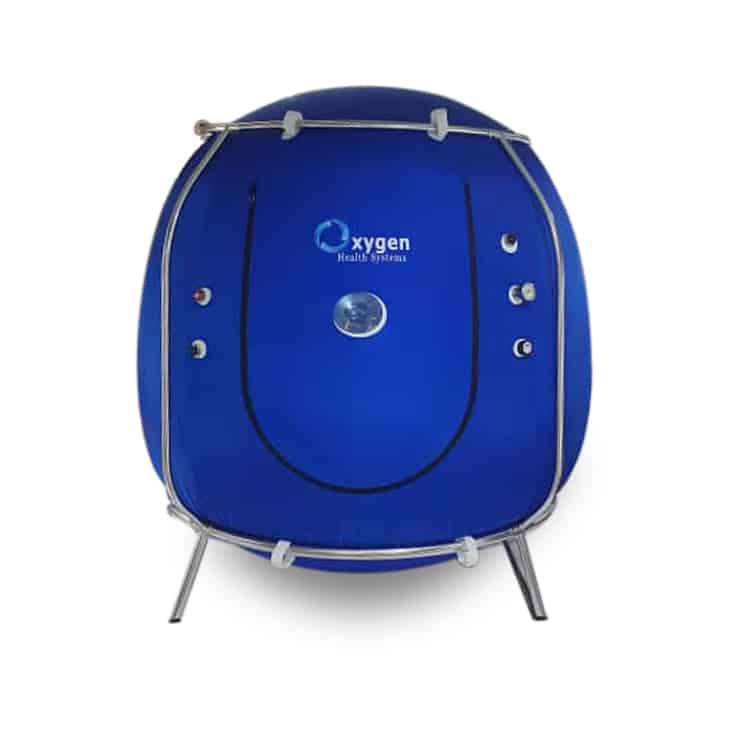

Recovery after surgery can involve changes in energy, sleep, appetite, mobility, and daily routine. Oxynova for Post-Surgical Recovery may be considered by some people as part of a broader wellness plan involving supervised hyperbaric chamber use, but it should not be described as a guaranteed way to speed healing, prevent complications, or restore vitality. The safest approach is to follow the surgical team’s instructions first and treat any chamber-based wellness activity as an optional addition that requires appropriate screening.
Every procedure is different. Recovery after a minor outpatient procedure can look very different from recovery after major abdominal, orthopedic, cosmetic, or other surgery. Age, medications, wound status, mobility, anesthesia effects, pain control, sleep, nutrition, and existing health conditions can all influence how someone feels during the days and weeks afterward.
Oxynova for Post-Surgical Recovery Should Begin With Clearance From the Surgical Team.
Before entering a hyperbaric chamber after surgery, discuss the idea with the professionals responsible for the procedure and follow-up care. They can help determine whether the timing is appropriate based on the operation, incision, dressings, medications, implanted materials, drains, and other factors.
This approach should never replace scheduled follow-up visits, wound checks, prescribed medications, or activity restrictions. If the surgical team advises waiting, that guidance should take priority over a general wellness schedule.
Oxynova for Post-Surgical Recovery Requires an Updated Medication and Device Review.
Medication lists can change around surgery. Pain relievers, antibiotics, anticoagulants, anti-nausea medicines, and other prescriptions may be started or adjusted temporarily. Bring a current list to the supervising professional before any chamber session.
Implanted devices, surgical hardware, drains, pumps, monitors, and other equipment should also be reviewed for compatibility. Do not assume an item is acceptable in a pressure environment simply because it is commonly used outside the chamber.
Oxynova for Post-Surgical Recovery Should Fit Around Wound-Care Instructions.
Dressings, tapes, topical products, and wound-care materials should be managed exactly as instructed by the surgical team. Hyperbaric facilities may also have specific rules about what materials can enter the chamber, especially when oxygen-enriched environments or specialized breathing systems are involved.
Never remove a dressing, apply an unapproved product, or change wound care simply to accommodate a chamber session. If the facility and surgical team give different instructions, the situation should be clarified before proceeding.
Oxynova for Post-Surgical Recovery Should Not Be Used to Ignore New Wound Changes.
Increasing redness, unexpected drainage, significant swelling, fever, worsening pain, or a wound that appears to be opening should not be handled by adding more chamber sessions. Those changes deserve timely communication with the surgical team.
A wellness device cannot determine whether a wound is progressing normally. When something looks or feels different from the expected recovery pattern, professional evaluation is more useful than self-adjusting pressure or session duration.
Oxynova for Post-Surgical Recovery Should Be Scheduled Around Rest and Sleep.
Surgery and anesthesia can leave people feeling tired, and sleep may be disrupted by discomfort, medication schedules, or changes in normal activity. Rest remains a central part of recovery regardless of whether a chamber is used.
A chamber-based wellness session should therefore fit into the day without reducing sleep or creating extra travel stress. A session that requires someone to wake unusually early, skip meals, or spend hours commuting may not support the broader goal of a calm recovery routine.
Oxynova for Post-Surgical Recovery Should Respect Fatigue Instead of Pushing Through It.
Low energy after surgery can have many causes, including sleep loss, reduced activity, medications, changes in appetite, and the body’s normal response to a procedure. Feeling tired does not automatically mean more oxygen exposure is needed.
If fatigue becomes severe, persistent, or unexpectedly worse, discuss it with the healthcare team. The goal is to understand what is happening rather than treating every tired day as a reason to increase wellness sessions.
Oxynova for Post-Surgical Recovery Should Be Paired With Adequate Nutrition.
Balanced meals can support normal recovery needs by providing protein, carbohydrates, fats, vitamins, minerals, and overall energy. Easy options may include eggs, yogurt, fish, chicken, beans, soups, oatmeal, fruit, vegetables, and whole grains depending on appetite and dietary instructions.
Protein is especially useful as part of normal tissue maintenance, but there is no need to rely on extreme amounts or expensive powders unless they are appropriate for the individual. A simple, varied eating pattern is often easier to tolerate and maintain.
Oxynova for Post-Surgical Recovery Should Include Practical Hydration Without Overdrinking.
Fluids can be important when appetite is low or activity patterns change, but more water is not always better. Hydration needs depend on body size, medications, climate, activity, and any fluid restrictions given after surgery.
Water, soups, milk, fruit, and other foods can contribute fluids. People who have been given specific instructions about fluid or sodium intake should follow those individualized recommendations.
Oxynova for Post-Surgical Recovery Should Be Combined With Appropriate Movement.
Many recovery plans include some form of gradual movement, such as short walks or specific rehabilitation exercises. The amount and timing depend on the procedure, so activity should follow the surgical team’s guidance.
Oxynova for Post-Surgical Recovery cannot replace prescribed physical therapy, mobility work, or restrictions on lifting and exercise. If walking or rehabilitation is part of the plan, chamber sessions should fit around those priorities rather than compete with them.
Oxynova for Post-Surgical Recovery Should Not Encourage Early Return to Intense Exercise.
Feeling more energetic one day does not necessarily mean tissues are ready for strenuous activity. Recovery timelines depend on the operation and the individual, and returning too quickly to heavy lifting, running, or intense training can conflict with surgical instructions.
Use energy improvements as a reason to continue the planned recovery progression, not as permission to skip stages. Gradual return to activity is generally easier to evaluate than sudden jumps in intensity.
Oxynova for Post-Surgical Recovery Requires Careful Ear and Sinus Pressure Management.
As chamber pressure changes, the ears may need to equalize much like they do during airplane travel. Swallowing, yawning, or another method taught by the supervising professional can help many users remain comfortable.
If the person has congestion, ear pain, a recent respiratory illness, or difficulty equalizing, the session may need to be delayed or adjusted. Significant pain should never be treated as something to push through.
Oxynova for Post-Surgical Recovery Should Include Clear Communication During Every Session.
The user should know how to speak with or signal the chamber operator before pressurization begins. If anxiety, ear discomfort, breathing difficulty, dizziness, or another concerning sensation occurs, the operator should be notified promptly.
Knowing what to expect during compression, the steady-pressure portion, and decompression can make the experience feel more predictable. Clear communication is especially important for older adults or anyone who needs assistance with mobility.
Oxynova for Post-Surgical Recovery Must Follow Strict Fire-Safety Rules.
Hyperbaric environments require careful control of ignition sources and materials. Smoking items, lighters, matches, unauthorized electronics, and unapproved products should never be brought into the chamber.
Oxynova for Post-Surgical Recovery should also follow facility rules for clothing, blankets, dressings, skincare products, and personal belongings. Fire safety is a basic operating requirement, not an optional precaution.
- Use only approved clothing and chamber accessories.
- Remove prohibited electronics and ignition sources.
- Follow facility instructions for dressings and personal-care products.
- Never adjust chamber pressure without authorization.
- Keep communication with the operator available throughout the session.
- Report discomfort instead of trying to finish at any cost.
Oxynova for Post-Surgical Recovery Should Use a Consistent, Supervised Session Plan.
Pressure, session length, frequency, and breathing arrangements should not be increased simply because someone wants faster results. More pressure and longer exposure are not automatic upgrades.
A consistent plan is easier to monitor. If the supervising professional recommends changes, they should be based on the individual situation, chamber model, and overall recovery plan rather than on social media routines or another person’s experience.
Oxynova for Post-Surgical Recovery Should Track Practical Recovery Measures Instead of Hype.
When evaluating whether a wellness routine is useful, focus on practical measures such as sleep quality, ability to complete normal daily activities, appetite, mobility, and how well the scheduled recovery plan is progressing.
Do not attribute every good or bad day to a chamber session. Recovery naturally varies, and medications, sleep, stress, activity, and nutrition can all influence how someone feels.
Oxynova for Post-Surgical Recovery Should Consider Age Without Using One Standard Protocol.
Older adults may need extra attention to mobility, balance, medication schedules, hearing, hydration, and assistance entering or exiting the chamber. Younger adults may have different recovery goals but still need individualized screening.
Age should be one part of the assessment rather than the only factor. Two people of the same age can have very different surgeries, fitness levels, medications, and comfort with pressure changes.
Oxynova for Post-Surgical Recovery Should Include Safe Transfers and Comfortable Positioning.
After surgery, bending, climbing, or lying in certain positions may be difficult. Arrange approved supports and assistance before the session so the person does not need to make uncomfortable movements after pressurization begins.
Never rush someone into or out of the chamber. Stable transfers, clear walkways, and enough time to change position can be especially important when pain medication or reduced mobility affects balance.
Oxynova for Post-Surgical Recovery Should Avoid Common Postoperative Wellness Mistakes.
One mistake is assuming that a high-tech wellness tool can replace basic recovery habits. Another is increasing session frequency because progress feels slower than expected. A third is using chamber sessions as a reason to return to normal activity before the surgical team recommends it.
- Do not skip follow-up appointments or wound checks.
- Do not change prescribed medications without guidance.
- Do not use chamber sessions to justify excessive activity.
- Do not ignore new swelling, fever, drainage, or worsening pain.
- Do not increase pressure or duration to chase faster results.
- Do not overlook nutrition, hydration, sleep, and rehabilitation.
Another common mistake is comparing recovery timelines. Different procedures and individuals recover at different rates, so a friend’s experience with the same brand of chamber does not establish what another person should expect.
Oxynova for Post-Surgical Recovery Should Support Realistic Expectations About Energy and Vitality.
Energy levels can improve gradually as sleep normalizes, medications change, appetite returns, and movement increases. A chamber session may feel relaxing or refreshing for some users, but that experience does not prove that the chamber alone restored vitality.
It is more useful to consider the whole recovery pattern. Consistent meals, rest, appropriate movement, wound care, follow-up visits, and emotional support can all influence how someone feels from week to week.
Oxynova for Post-Surgical Recovery Works Best as One Part of a Carefully Managed Recovery Plan.
Oxynova for Post-Surgical Recovery can be considered as an optional, supervised wellness component after surgery when the surgical team and chamber professionals agree that the timing and setup are appropriate. It should not be viewed as a shortcut around normal recovery requirements.
The strongest foundation remains straightforward: follow wound-care instructions, take medications as directed, eat balanced meals, stay appropriately hydrated, sleep as consistently as possible, and progress activity according to the surgical plan.
Safe chamber use adds another layer of responsibility. Pressure changes, fire prevention, medication review, device compatibility, mobility, and communication all need to be managed carefully, especially soon after a procedure.
When expectations stay realistic and safety comes first, a chamber routine can fit into a broader wellness plan without competing with the essential work of recovery. The goal is not to force faster progress, but to support a calm, organized, and well-supervised return to everyday life.



0 Comments