
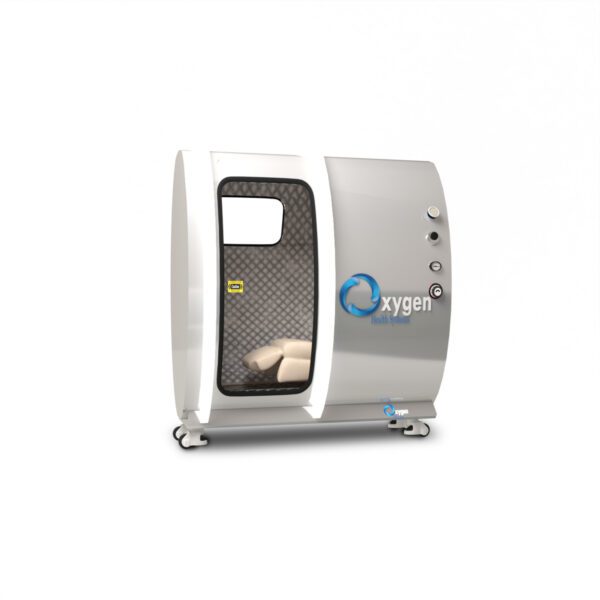
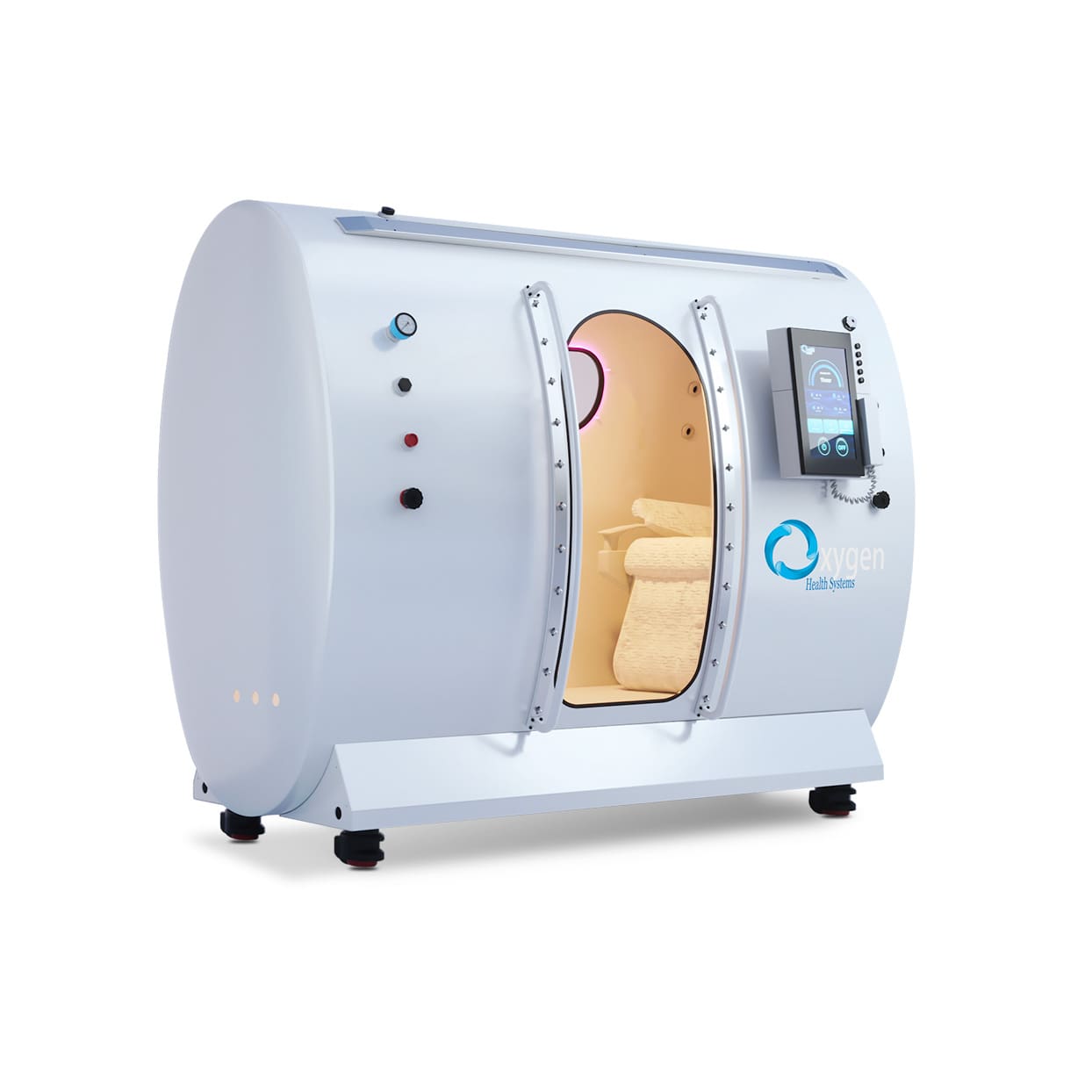

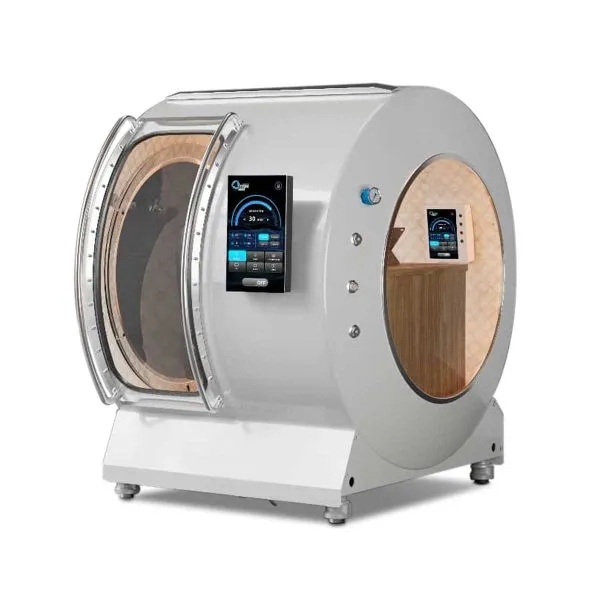
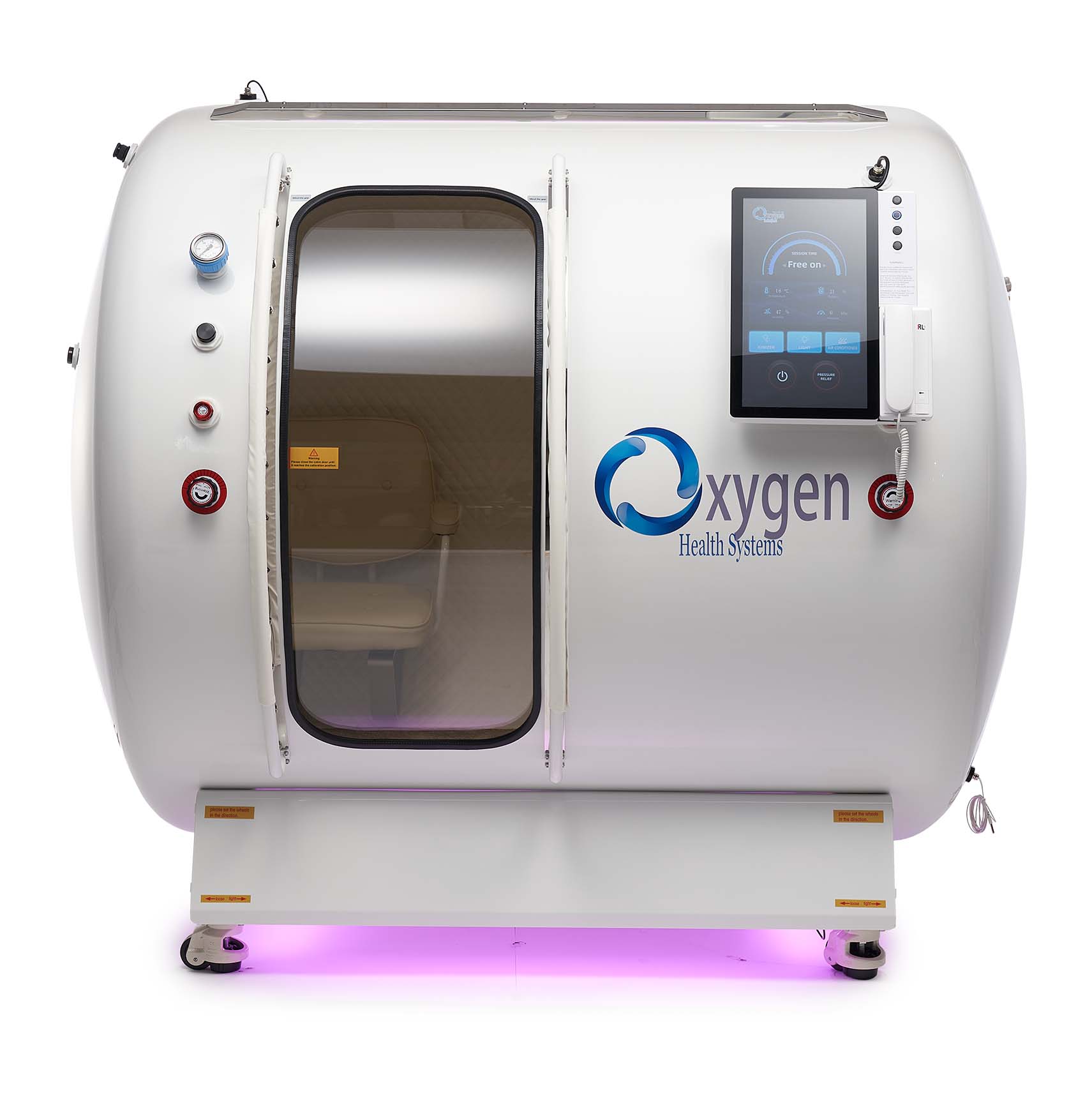
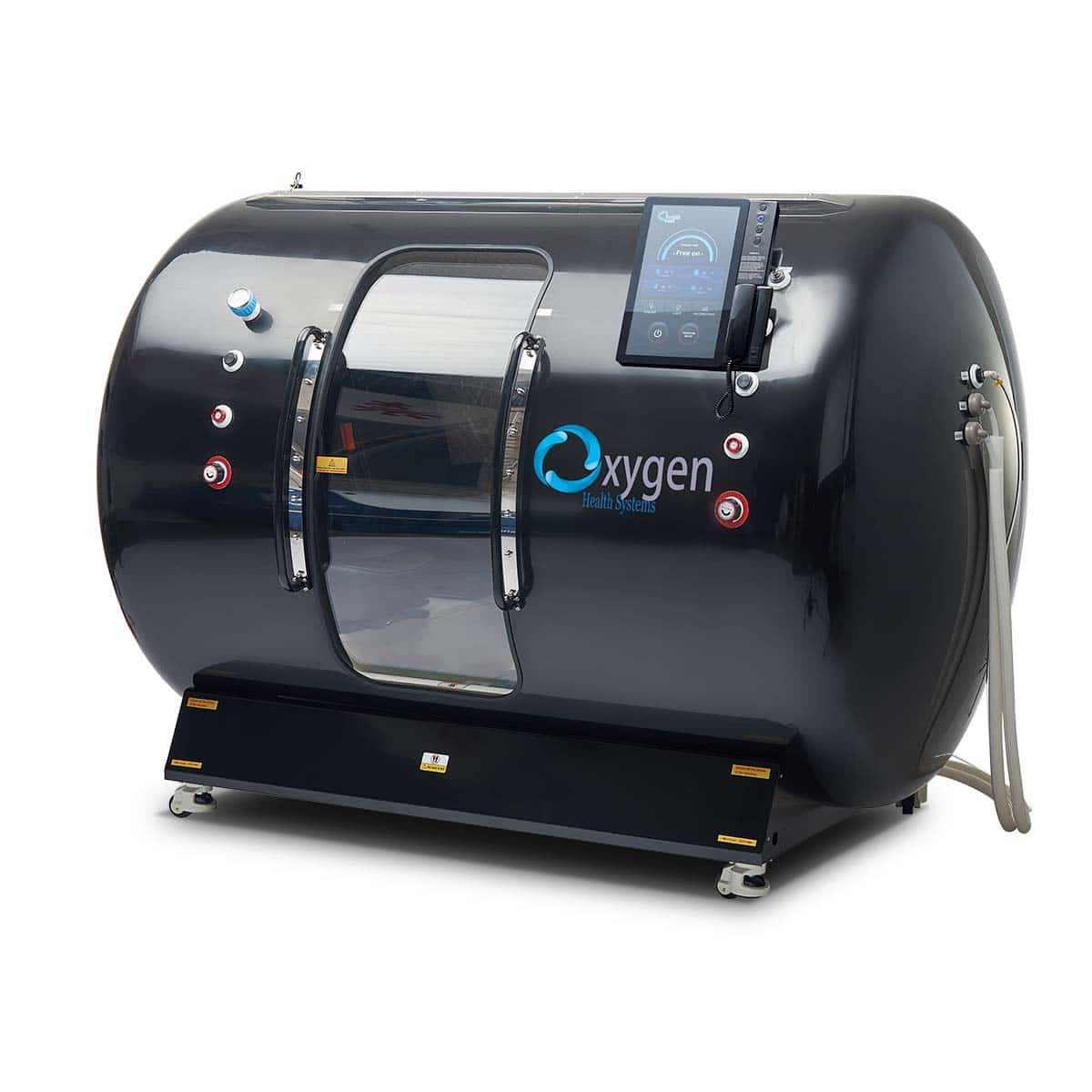

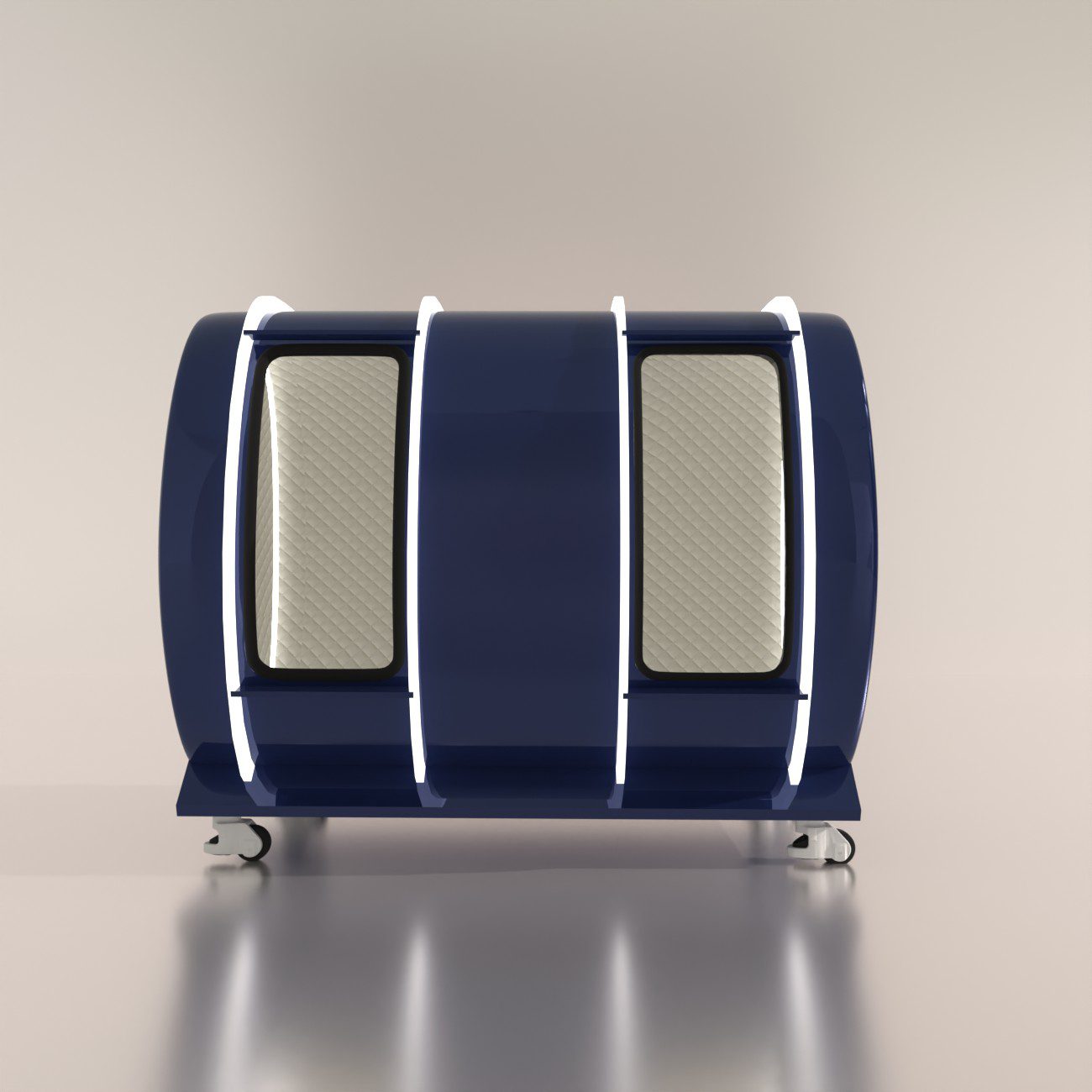
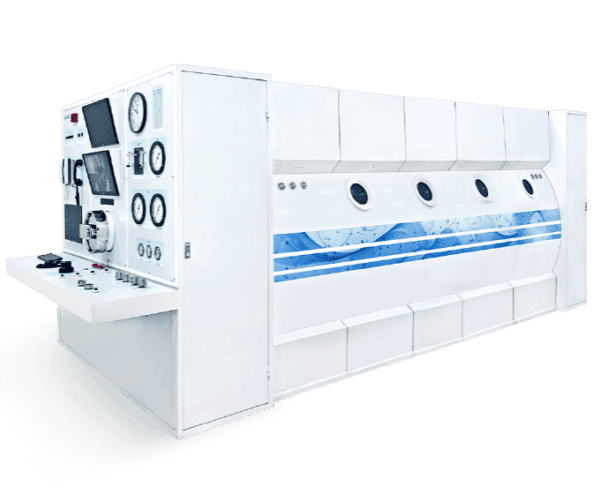
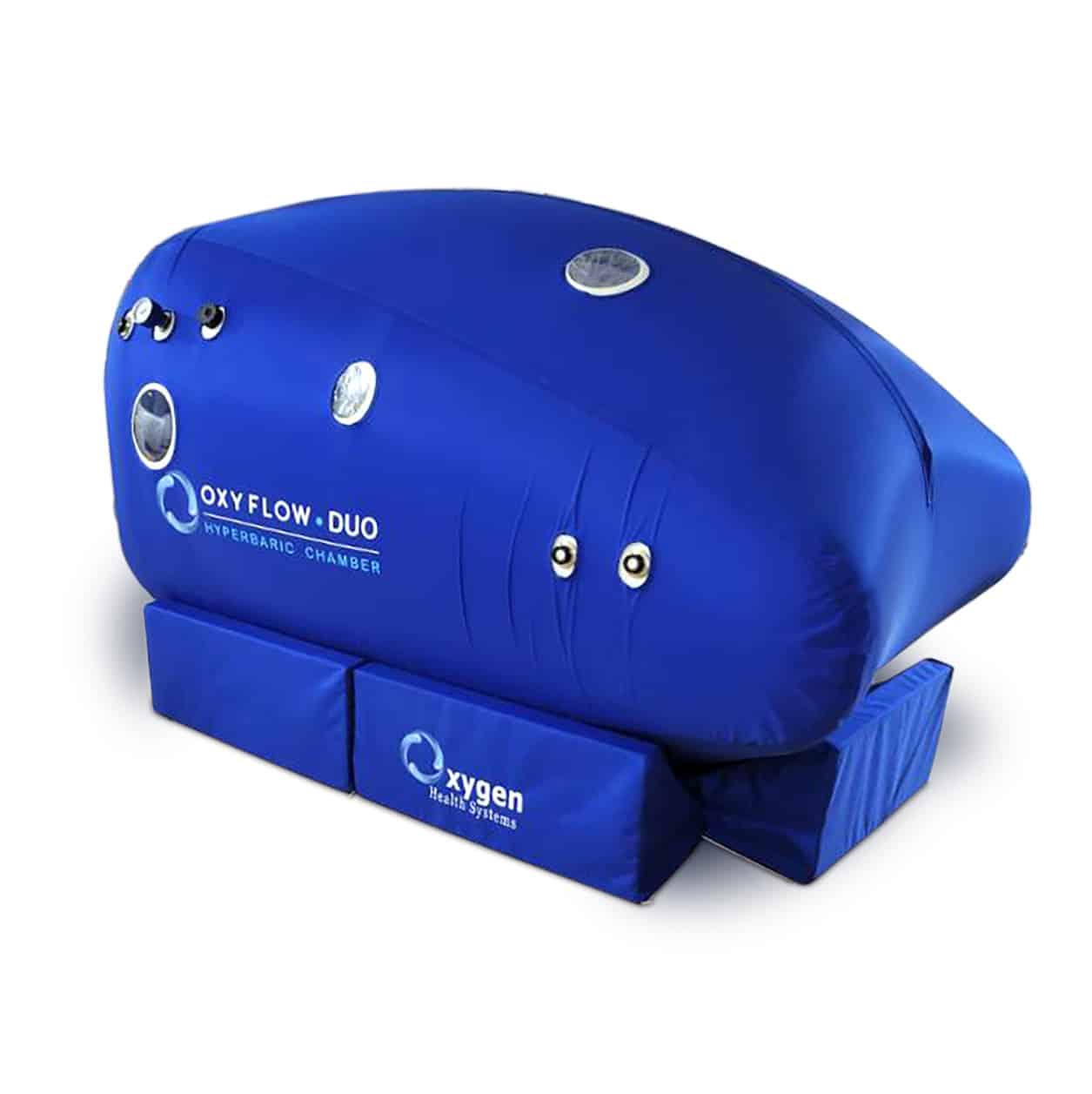
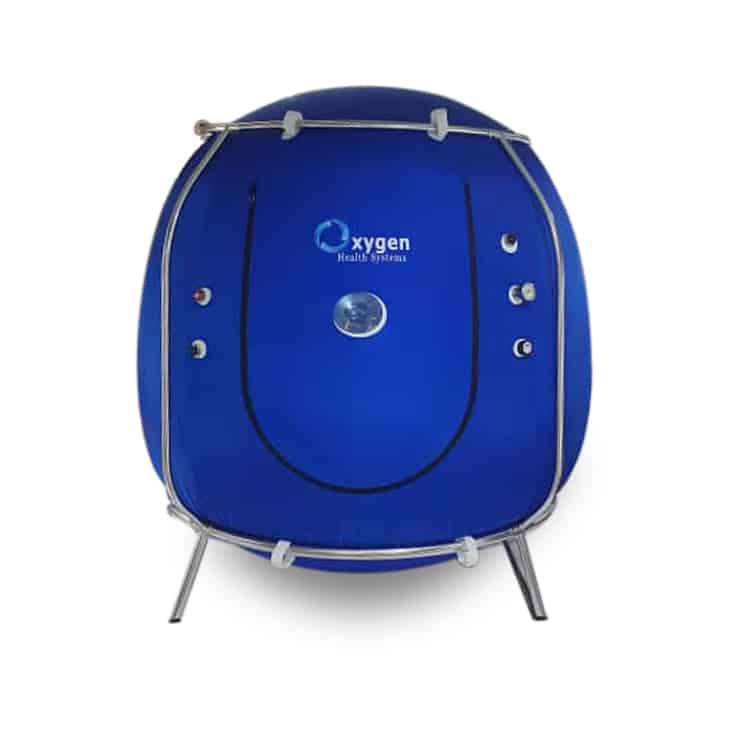

Portable chamber systems have attracted attention from athletes, fitness enthusiasts, recovery studios, and people who want flexible wellness equipment. Portable Hyperbaric Oxygen Chambers can fit into a broader recovery routine, but they should not be presented as guaranteed ways to improve performance, eliminate soreness, or speed recovery. Training results still depend heavily on sleep, nutrition, hydration, workload, rest, and appropriate attention to pain or injury.
<< Check Price & Availability >>
Because these chambers operate under pressure, buyers and users should focus on model-specific instructions, approved pressure limits, trained supervision, safe oxygen-related procedures, communication, maintenance, and room setup. Portability is useful only when the equipment can be transported, installed, and operated without compromising safety or reliability.
Portable Hyperbaric Oxygen Chambers Should Be Evaluated by Their Intended Use and Environment.
Before choosing a chamber, define how often it will be used, who will use it, where it will be installed, and whether trained supervision will be available. A system intended for occasional private use may have different practical needs from one placed in a busy sports recovery facility.
Consider room dimensions, ventilation, electrical access, noise, surrounding clearance, storage, and delivery access. A chamber that fits on paper may still be inconvenient if the room is too tight for entry, cleaning, servicing, or safe movement around the equipment.
Portable Hyperbaric Oxygen Chambers Should Not Be Chosen by Pressure Rating Alone.
Higher pressure is not automatically better. Every model has a specific construction, operating range, control system, and approved procedure. The correct pressure should come from the manufacturer’s documentation and the supervised protocol being followed.
Never buy a system with the intention of altering valves, regulators, seals, software, or other components to reach a different pressure. Unapproved modifications can affect how a pressurized system behaves.
Portable Hyperbaric Oxygen Chambers Should Use Only Manufacturer-Approved Session Settings.
Session duration and frequency should not be copied from another athlete, another facility, or an unrelated chamber model. More time inside a chamber does not automatically create better recovery.
Follow the approved schedule and avoid adding extra sessions during heavy training weeks simply because fatigue is increasing. Rising fatigue may be a reason to review sleep, nutrition, training load, or injury status rather than adding more recovery technology.
Portable Hyperbaric Oxygen Chambers Should Begin With Appropriate Screening Before Use.
Pressure changes can affect the ears, sinuses, lungs, and other body systems. Users should disclose congestion, recent illness, ear problems, respiratory concerns, medications, and previous difficulty with pressure changes before beginning a session.
Appropriate professional screening can help determine whether the timing and protocol are suitable. Advice from teammates, online influencers, or another user’s experience should not replace individualized guidance.
Portable Hyperbaric Oxygen Chambers Should Treat Ear and Sinus Comfort as a Priority.
Compression can create fullness in the ears, and some people need more time to equalize comfortably. Pressure should change gradually according to the approved procedure, and discomfort should be reported early.
Do not force equalization or try to tolerate significant pain. If congestion or pressure makes equalization difficult, pause and follow the operator’s instructions rather than continuing simply because the session has already started.
Portable Hyperbaric Oxygen Chambers Should Include Reliable Communication During Every Session.
The person inside should have a clear way to communicate with the operator or supervising staff. Before starting, everyone should understand how to request assistance and what to do if ear pain, anxiety, unusual sensations, or equipment concerns appear.
Communication is especially important for first-time users or anyone who feels uncertain in enclosed environments. A session should never depend on improvised communication methods.
Portable Hyperbaric Oxygen Chambers Should Keep Fire Safety at the Center of Operation.
Pressure and oxygen-related environments require careful control of ignition sources and approved materials. Follow the manufacturer’s rules regarding clothing, linens, electronics, skin products, accessories, and cleaning supplies.
Do not introduce flames, smoking materials, prohibited electronics, unapproved oils, or other restricted items into the chamber environment. Fire-safety procedures should remain consistent in gyms, wellness studios, clinics, and private settings.
Portable Hyperbaric Oxygen Chambers Should Be Paired With Realistic Sports Recovery Expectations.
Athletes may use recovery tools because they want to feel prepared for the next workout, but no chamber can replace a well-designed training plan. Muscle soreness, fatigue, performance, and readiness are affected by many variables.
This equipment should be treated as optional recovery support rather than permission to train through persistent fatigue, worsening pain, or an unrealistic workload.
Portable Hyperbaric Oxygen Chambers Should Be Supported by Adequate Nutrition and Hydration.
Recovery requires enough total energy, protein, carbohydrate, fluids, and micronutrients. A post-workout meal containing protein, carbohydrate, vegetables or fruit, and fluids may have a more direct role in everyday recovery than any single technology.
Hydration needs vary with sweat rate, temperature, exercise duration, and individual physiology. There is no need to force excessive water simply because a chamber session is planned.
Portable Hyperbaric Oxygen Chambers Should Not Replace Consistent and Restorative Sleep.
Sleep supports reaction time, attention, mood, training quality, and how recovered someone feels. Athletes who repeatedly sleep too little should address that foundation before relying on additional recovery tools.
A regular sleep schedule, enough time in bed, a comfortable bedroom, and sensible caffeine timing can support a more stable recovery routine than constantly adding new devices.
Portable Hyperbaric Oxygen Chambers Should Fit Around Training Rather Than Disrupt It.
Session timing matters. A chamber appointment that delays meals, creates a long commute, or pushes bedtime later may work against the broader recovery goal.
Test the routine during ordinary training periods before using it around an important race, tournament, or competition. New recovery methods are easier to evaluate when the rest of the schedule stays fairly consistent.
Portable Hyperbaric Oxygen Chambers Should Not Be Used to Push Through Unexplained Pain.
Sharp, worsening, or recurring pain deserves attention. Recovery technology should not be used to mask symptoms or encourage an athlete to continue training through an issue that needs assessment.
If pain changes movement, causes swelling, limits normal activity, or persists despite reasonable rest, appropriate evaluation is more important than adding another session.
Portable Hyperbaric Oxygen Chambers Should Be Compared for Entry, Interior Space, and User Comfort.
Portable does not always mean compact for the person inside. Compare interior length, width, entry size, body position, visibility, temperature, and how easily the user can get in and out.
Tall athletes, older adults, or users with limited mobility may need more room or assistance. Buyers should check actual measurements instead of relying only on promotional photos.
Portable Hyperbaric Oxygen Chambers Should Include Accessibility in the Buying Decision.
Consider whether the entry design is practical for the people who will actually use the system. A chamber that is easy for a young athlete to enter may be difficult for someone with limited flexibility or mobility.
Leave adequate surrounding space for assistance, cleaning, and emergency access. Portability should not result in a cramped setup that makes operation harder.
Portable Hyperbaric Oxygen Chambers Should Be Assessed for Compressor Noise and Airflow.
The compressor affects comfort, room layout, and maintenance. Ask about expected noise, airflow, filter requirements, duty cycle, and where the unit should be placed.
A quieter system may be especially useful in a recovery studio where several sessions occur throughout the day. Good ventilation and clear hose routing can also make the room easier to manage.
Portable Hyperbaric Oxygen Chambers Should Be Installed Only in a Suitable Room.
Measure doorways, hallways, elevators, floor area, ceiling height, and final placement before delivery. Confirm electrical requirements and any model-specific environmental conditions.
Keep cords and hoses protected from foot traffic. Avoid positioning the chamber where exits are blocked or where maintenance access becomes difficult.
Portable Hyperbaric Oxygen Chambers Should Include Routine Inspection and Preventive Maintenance.
Seals, zippers or closures, hoses, gauges, pressure controls, compressors, filters, communication equipment, and other components should be checked according to the manufacturer’s schedule.
Keep maintenance records that document inspections, filter changes, repairs, replacement parts, and service visits. Preventive maintenance is easier to manage than waiting until a problem interrupts regular use.
Portable Hyperbaric Oxygen Chambers Should Never Depend on DIY Repairs or Unapproved Components.
Do not substitute hoses, connectors, valves, filters, electrical parts, or other components merely because they appear similar. Use approved replacements intended for the exact model.
Never drill, patch, reinforce, reroute, or modify the chamber body or pressure-control system. If a component is damaged or behaving unexpectedly, stop use and follow approved service procedures.
Portable Hyperbaric Oxygen Chambers Should Be Easy to Transport Without Damaging Critical Components.
Portability matters only if the system can be moved safely. Ask the supplier how the chamber, compressor, hoses, controls, and accessories should be packed and protected during transport.
Do not fold, compress, drag, or stack components in ways that conflict with the manufacturer’s instructions. After relocation, inspect the system before returning it to service.
Portable Hyperbaric Oxygen Chambers Should Include Clear Warranty and Service Support.
Review warranty coverage for the chamber body, compressor, controls, accessories, labor, and shipping. Ask what actions could void coverage and how service requests are handled.
Replacement-part availability matters too. A lower-priced system can become difficult to own if essential parts are hard to obtain or technical support is unavailable.
Portable Hyperbaric Oxygen Chambers Should Avoid Common Sports and Fitness Recovery Mistakes.
- Do not assume higher pressure automatically creates better recovery.
- Do not extend session length beyond the approved protocol.
- Do not force ear equalization when pain develops.
- Do not use chamber sessions to compensate for chronic sleep loss.
- Do not neglect protein, carbohydrate, hydration, or total energy intake.
- Do not bring prohibited electronics, ignition sources, or unapproved products into the chamber environment.
- Do not copy another athlete’s pressure or session schedule without model-specific guidance.
- Do not use damaged hoses, seals, controls, or communication equipment.
- Do not make unapproved repairs or pressure-related modifications.
- Do not treat recovery equipment as permission to train through unexplained pain.
Another common mistake is buying primarily for portability while overlooking long-term support. A chamber may be easy to move but difficult to maintain if replacement parts, manuals, or technical assistance are limited.
Portable Hyperbaric Oxygen Chambers Should Be Evaluated With a Simple Recovery Log.
Athletes can record training type, session date, sleep, soreness, perceived recovery, and any pressure-related discomfort. Keeping the record simple makes patterns easier to notice without turning recovery into a complicated scoring system.
The routine is easier to evaluate when training volume, sleep, nutrition, and other recovery methods stay reasonably consistent rather than changing everything at once.
Portable Hyperbaric Oxygen Chambers Work Best When Safety, Training Balance, and Realistic Expectations Come First.
Portable systems can provide flexibility for sports and fitness environments, but convenience should never replace disciplined operation. The chamber should be used only within its approved pressure range, session duration, maintenance schedule, and safety procedures.
Build recovery around enough sleep, balanced nutrition, hydration, intelligent training progression, mobility work, and planned rest. These habits provide the foundation that any optional recovery technology must fit within.
For athletes and active adults, portable chamber use makes the most sense when it supports a structured recovery plan rather than replaces it. Appropriate screening, reliable communication, preventive maintenance, approved components, and realistic goals create a safer and more practical approach to long-term use.



0 Comments