
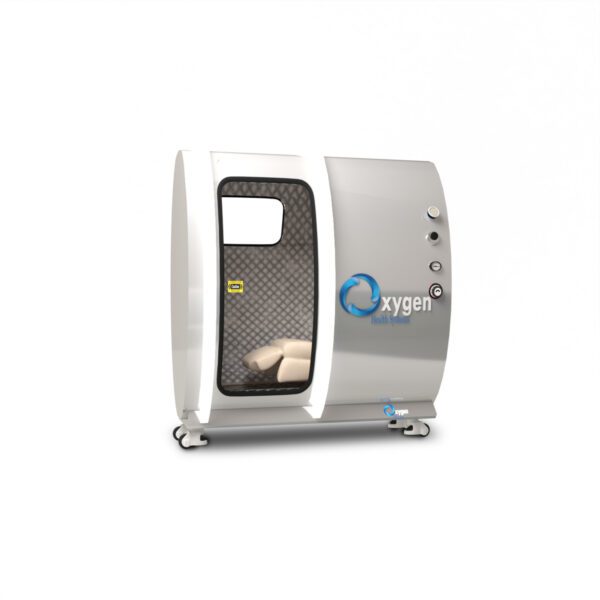
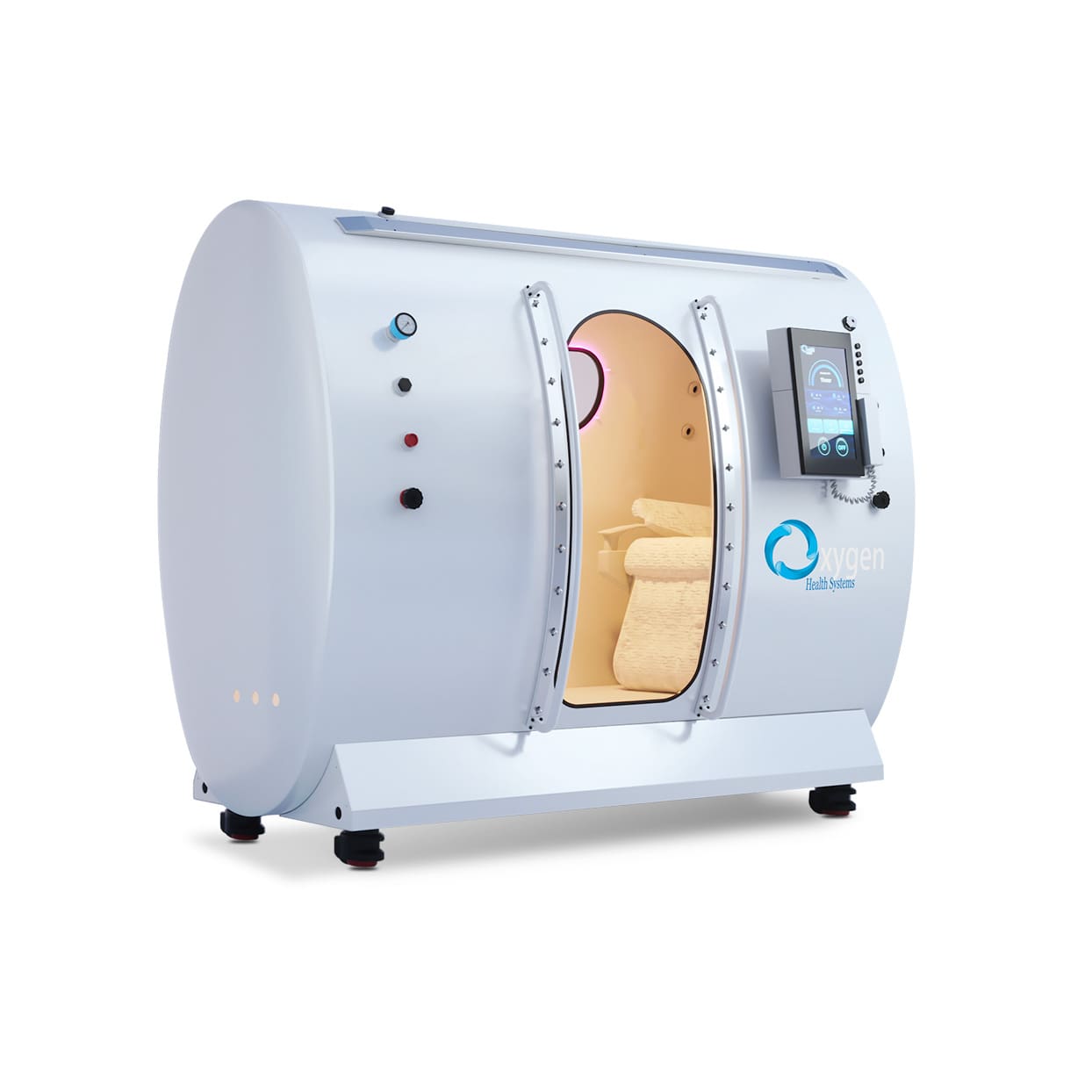

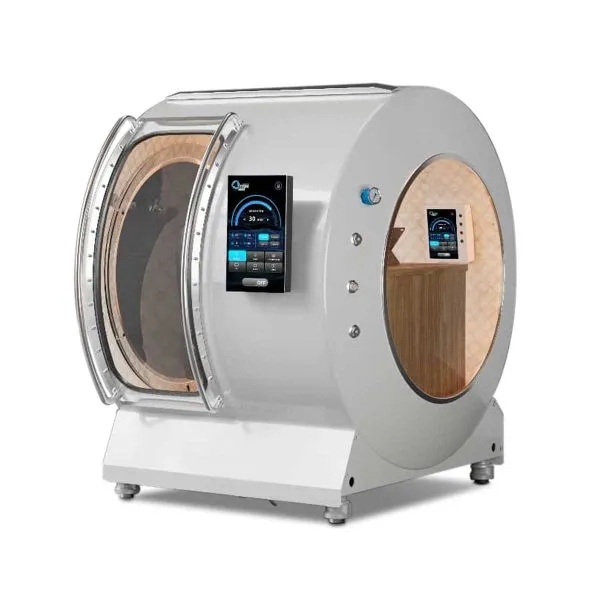
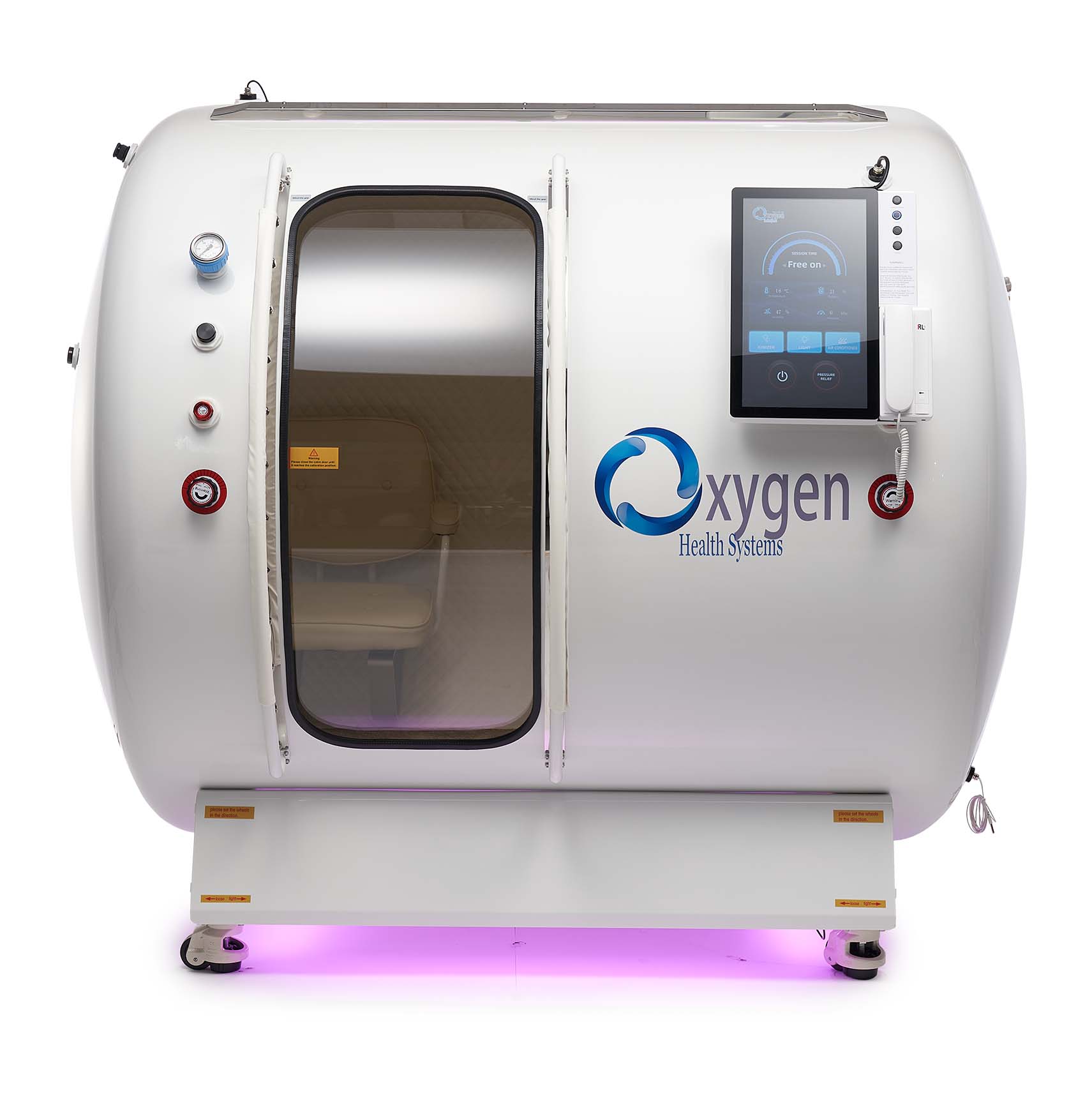
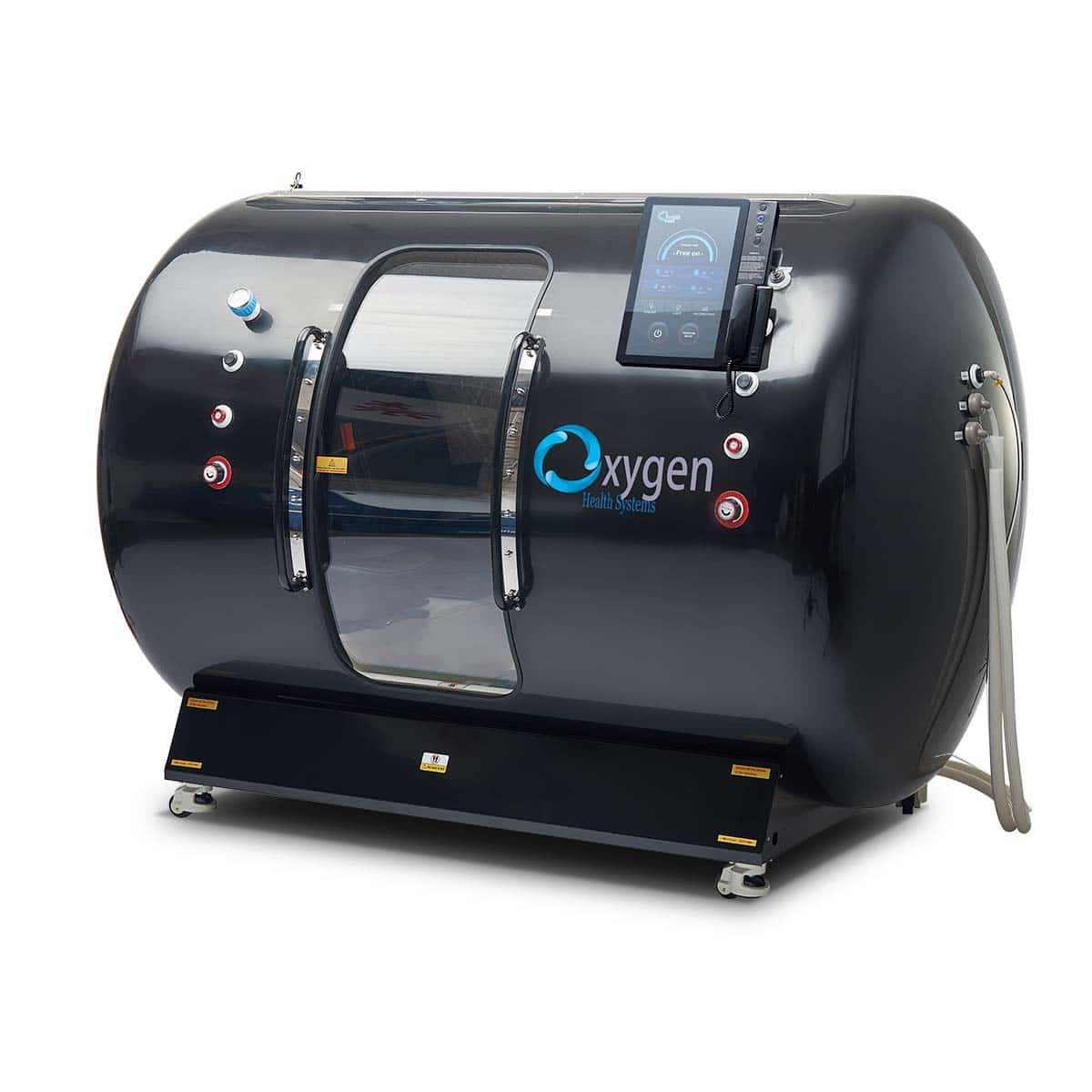

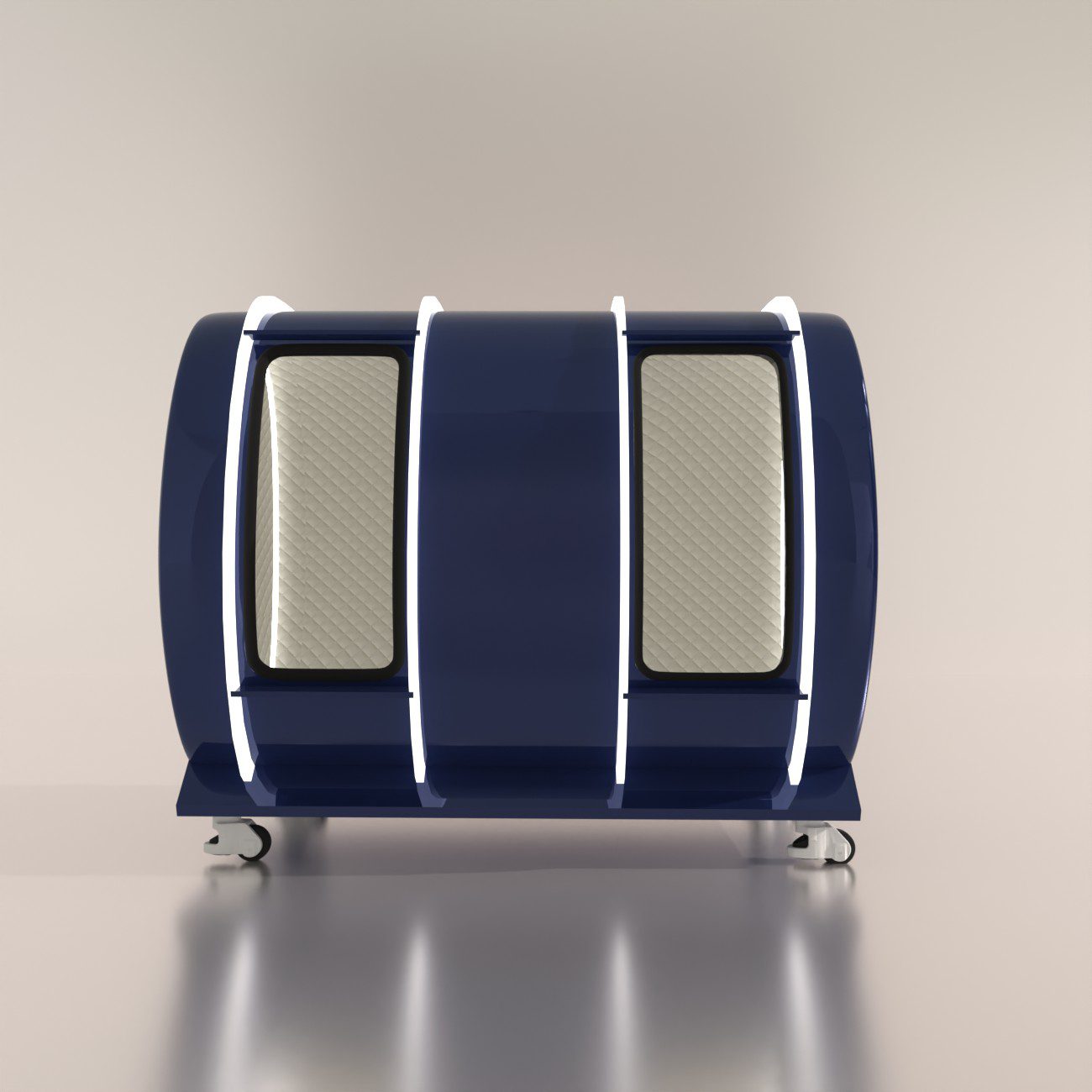
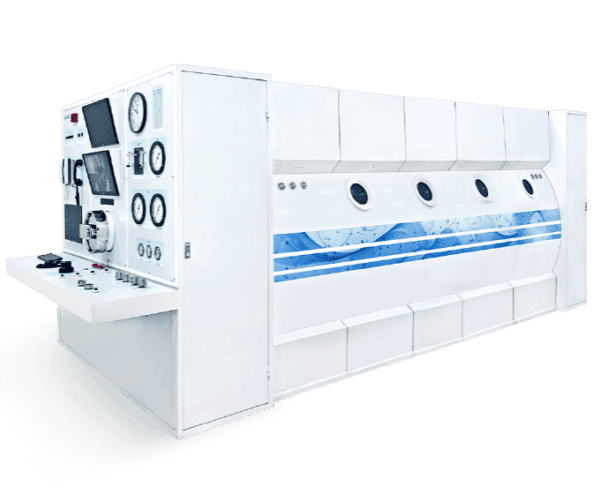
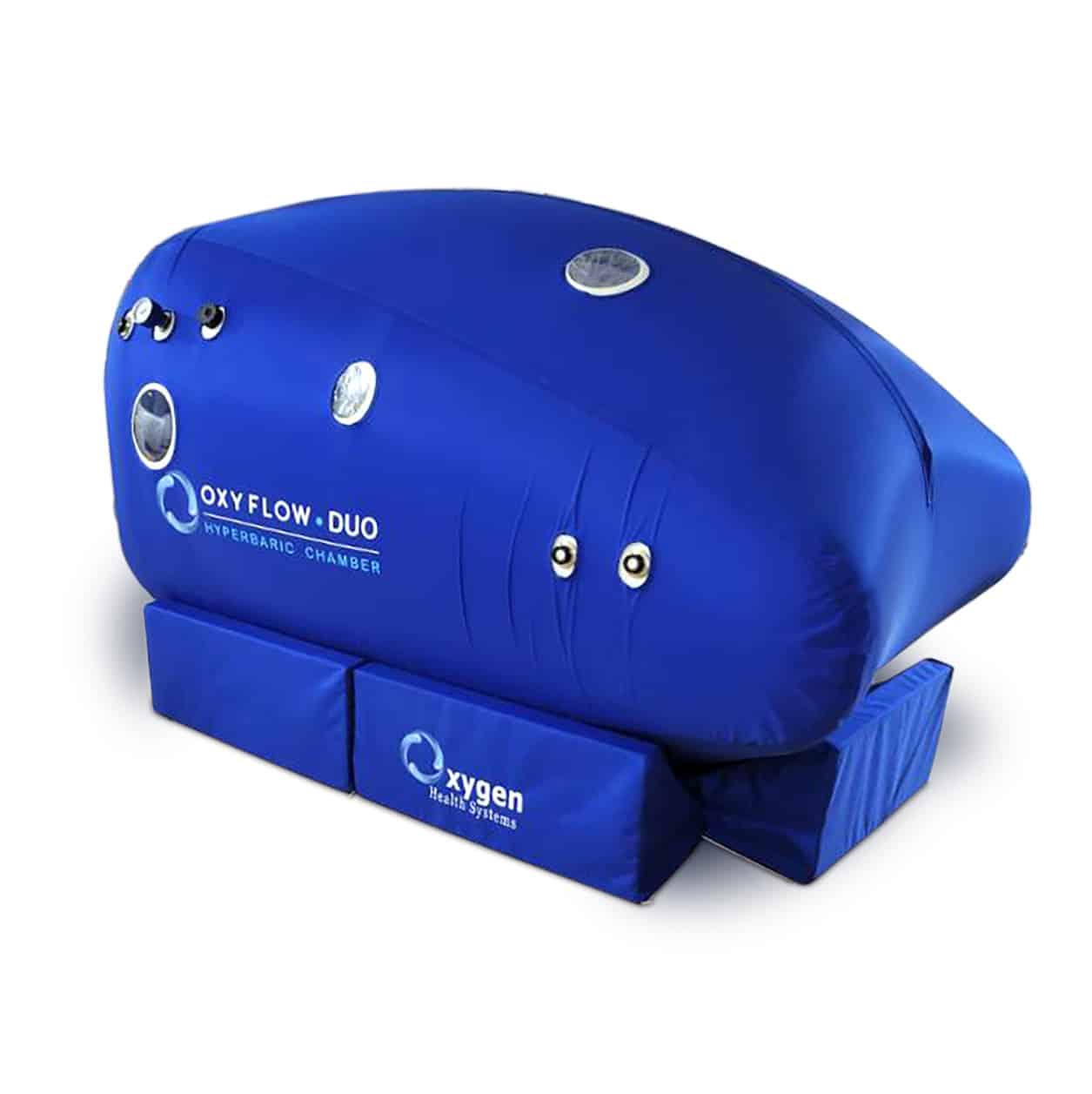
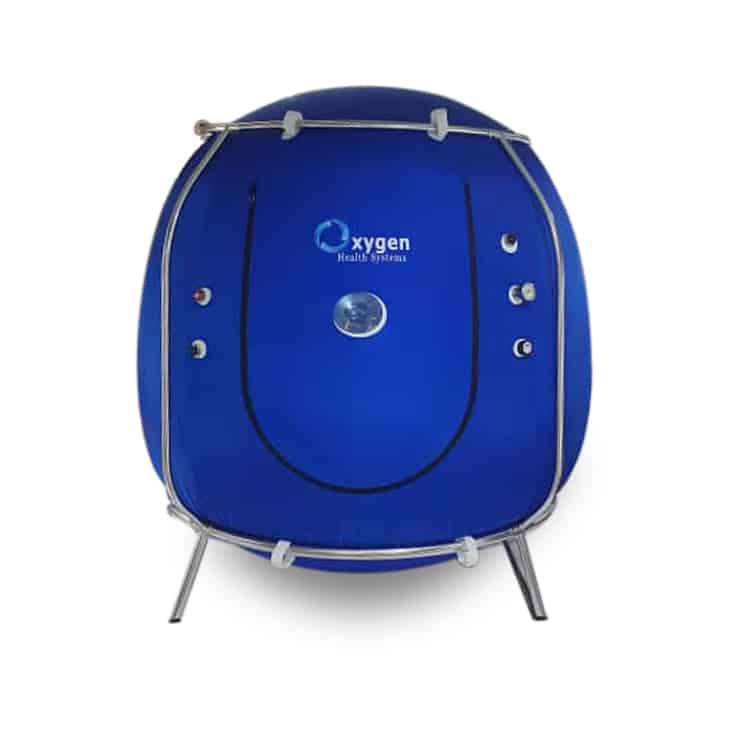

Home and wellness settings increasingly use compact chamber systems because they can be easier to place, move, and manage than larger fixed installations. Portable Hyperbaric Oxygen Chambers are designed around convenience, but portability does not mean they should be treated casually. A chamber is still specialized pressure equipment, so setup, supervision, maintenance, fire safety, and manufacturer instructions remain essential parts of responsible use.
Comfort also matters. A chamber that fits the room, allows easy entry and exit, has clear communication, and can be cleaned and maintained properly is more practical than one chosen only because it is small. The best setup balances space, user comfort, equipment access, storage, and a consistent operating routine without making exaggerated promises about outcomes.
Portable Hyperbaric Oxygen Chambers Should Be Chosen for the Space Where They Will Actually Be Used.
Before selecting a chamber, measure the room carefully. Consider the chamber footprint, access around the sides, door clearance, compressor placement, ventilation, electrical outlets, and the path used to bring equipment into the room. A chamber that technically fits may still feel cramped if there is no room to move around it safely.
Leave enough space for inspection, cleaning, and routine service. Avoid placing the system where furniture, curtains, or stored items block access to hoses, valves, or emergency controls.
Portable Hyperbaric Oxygen Chambers Should Make Entry and Exit as Simple as Possible.
Entry design can strongly affect comfort. Zippers, openings, handles, steps, and interior height vary by model. A person with limited mobility may need more room, a stable transfer surface, or assistance from another person.
Try to think beyond the first session. Repeatedly climbing into an awkward position can become tiring over time. Convenience should include the full process of entering, settling in, communicating, and exiting without unnecessary strain.
Portable Hyperbaric Oxygen Chambers Should Be Evaluated for Interior Comfort Before Purchase.
Interior width, length, headroom, padding, temperature, and noise can all affect the user experience. Some people prefer lying flat, while others may need additional positioning support approved for the specific chamber.
Do not add pillows, blankets, electronics, or personal items unless they are permitted by the manufacturer or supervising provider. Comfort accessories must still follow chamber-specific safety rules.
Portable Hyperbaric Oxygen Chambers Should Include Clear Communication During Every Session.
A user should be able to communicate with the supervising person throughout the session. The exact system may differ by model, but communication should be tested before pressurization begins.
Clear communication is especially important if the user experiences ear pressure, anxiety, unusual discomfort, or needs the session paused. A chamber should never feel like a place where the user cannot easily get attention.
Portable Hyperbaric Oxygen Chambers Should Use a Calm and Predictable Pre-Session Routine.
A simple checklist can make sessions more comfortable. Confirm that the equipment looks normal, review approved clothing, remove prohibited items, use the restroom if needed, and make sure the user understands how to communicate.
Predictable routines reduce rushing and help keep safety steps consistent even after the equipment becomes familiar.
Portable Hyperbaric Oxygen Chambers Should Be Used Only Within Their Approved Pressure Range.
Portability does not change the importance of operating limits. Each chamber is engineered for a specific pressure range and operating method. Users should never alter valves, bypass controls, or attempt to increase pressure beyond the approved specification.
Higher pressure is not automatically better. Pressure, session duration, oxygen delivery, and individual factors all matter, so operating settings should remain within the established protocol.
Portable Hyperbaric Oxygen Chambers Should Never Be Modified to Create Stronger Sessions.
DIY changes to pressure controls, seals, hoses, valves, or oxygen components can create serious equipment and safety problems. Replacement parts and service should follow the manufacturer's approved procedures.
If the chamber no longer holds pressure normally or a control behaves differently than expected, stop using it until the system has been inspected appropriately.
Portable Hyperbaric Oxygen Chambers Require Attention to Ear and Sinus Comfort.
Pressure changes can create fullness in the ears or sinuses. Users should be taught approved equalization techniques and encouraged to report discomfort early rather than trying to tolerate increasing pain.
Congestion, recent illness, or ear problems can make pressure changes harder to manage. These changes should be discussed before a session when relevant.
Portable Hyperbaric Oxygen Chambers Should Allow Compression to Proceed at a Comfortable Approved Pace.
Rushing the beginning of a session can make equalization more difficult. The approved compression process should allow time for the user to adapt and communicate.
If pressure becomes uncomfortable, the supervising person should follow the established procedure for slowing, pausing, or stopping rather than forcing the user to continue.
Portable Hyperbaric Oxygen Chambers Require Strict Fire-Safety Habits in Every Setting.
Oxygen-related environments demand careful control of ignition sources and materials. Smoking items, flames, lighters, unapproved electronics, and other prohibited objects should remain outside the chamber according to the model's rules.
Approved clothing, linens, cleaning products, and accessories should be used. A home setting does not reduce the importance of these precautions.
Portable Hyperbaric Oxygen Chambers Should Be Kept Away From Heat, Clutter, and Unstable Electrical Setups.
Choose a clean, organized location with suitable power access. Avoid tangled extension cords, overloaded power strips, heaters, candles, or other unnecessary heat sources near the equipment.
Keep the surrounding floor clear so users and supervisors can move around the chamber without tripping over hoses or stored items.
Portable Hyperbaric Oxygen Chambers Should Be Cleaned According to Manufacturer Instructions.
Regular cleaning helps keep interior surfaces, entry areas, and frequently touched components in good condition. Use only cleaning products and methods approved for the specific chamber material.
Harsh chemicals or improvised disinfectants can damage surfaces or leave residues. Allow cleaned areas to dry as directed before the next session.
Portable Hyperbaric Oxygen Chambers Should Be Inspected Before Small Problems Become Larger Ones.
Look for wear around zippers, seals, windows, hoses, connectors, and other visible components. Listen for unusual sounds and note whether the system pressurizes and depressurizes as expected.
Routine inspection does not replace professional service, but it can help identify changes early enough to prevent continued use of damaged equipment.
Portable Hyperbaric Oxygen Chambers Should Have a Clear Maintenance and Service Schedule.
Keep maintenance records with dates, completed tasks, replaced parts, and service-provider information. A simple log can make long-term ownership much easier.
Do not wait for a breakdown before thinking about service. Preventive maintenance is part of responsible ownership, especially for equipment that depends on reliable pressure control.
Portable Hyperbaric Oxygen Chambers Should Use Approved Replacement Parts and Accessories.
Hoses, seals, compressors, oxygen-related components, and other accessories may look interchangeable even when they are not. Use parts specified for the chamber model whenever replacement is needed.
Compatibility matters because pressure systems depend on components working together as designed.
Portable Hyperbaric Oxygen Chambers Should Be Stored Carefully When They Are Not in Regular Use.
If a chamber is folded, moved, or stored, follow the manufacturer's instructions. Avoid sharp objects, moisture, excessive heat, heavy loads, or tight bends that could damage the chamber material or connections.
Before returning stored equipment to service, inspect it fully and make sure all components are reconnected correctly.
Portable Hyperbaric Oxygen Chambers Are Portable, but Frequent Moving Still Requires Planning.
The word portable can be misleading if it suggests effortless travel. Chambers may include compressors, hoses, frames, mats, cases, and other equipment that add weight and bulk.
Moving the system between rooms or locations should be planned so components are protected and the chamber is not dragged, folded incorrectly, or exposed to damage.
Portable Hyperbaric Oxygen Chambers Should Be Considered for Noise and Temperature Comfort.
Compressors, airflow, and environmental conditions can influence how comfortable a session feels. Some users may be more sensitive to sound or warmth than others.
Room temperature, ventilation, and equipment placement can help create a more pleasant setting without altering the chamber itself. Do not block vents or make unapproved changes to reduce sound.
Portable Hyperbaric Oxygen Chambers Should Support Comfort Without Adding Unapproved Items.
It can be tempting to bring phones, heating pads, battery-powered devices, scented oils, or other comfort items inside. These items may not be permitted.
Use only accessories approved for the specific chamber. Comfort should come from safe positioning, room conditions, communication, and the approved interior setup.
Portable Hyperbaric Oxygen Chambers Should Be Screened for User Suitability Before Routine Use.
Pressure environments are not appropriate for every person in every situation. Ear or sinus problems, certain respiratory conditions, recent procedures, implanted devices, medication changes, and other factors may affect suitability.
Professional screening can help identify concerns before sessions begin. New symptoms or medical changes should be reported rather than assuming that previous tolerance still applies.
Portable Hyperbaric Oxygen Chambers Should Avoid Common Convenience and Safety Mistakes.
- Do not choose a chamber without measuring the intended room first.
- Do not block access to valves, hoses, or emergency controls.
- Do not increase pressure or session duration independently.
- Do not bring unapproved electronics or ignition sources inside.
- Do not ignore persistent ear or sinus discomfort.
- Do not use damaged seals, hoses, zippers, or unreliable controls.
- Do not improvise repairs or substitute unapproved parts.
- Do not treat portability as permission to skip setup, inspection, or supervision.
Another common mistake is focusing only on purchase price. Long-term ownership also includes service, replacement parts, cleaning supplies, space, supervision, and the time required to set up and maintain the equipment properly.
Portable Hyperbaric Oxygen Chambers Offer the Most Convenience When Safety and Routine Stay Consistent.
Portable Hyperbaric Oxygen Chambers can make chamber-based wellness routines more practical in homes, offices, and smaller facilities because they may require less permanent space than large fixed systems. Their convenience, however, depends on careful placement, appropriate supervision, approved operation, and regular maintenance.
The best setup is not simply the smallest chamber available. It is one that fits the user's body, room, mobility needs, communication requirements, maintenance plan, and approved operating protocol.
Keep the surrounding area clean and organized, inspect equipment regularly, use approved accessories, and follow fire-safety rules every time. If pressure, controls, or chamber behavior seem unusual, stop using the system until it can be checked.
When portability is combined with thoughtful setup, realistic expectations, professional screening, and consistent safety habits, a chamber can be easier to integrate into a routine without sacrificing the careful operation that pressure equipment requires.



0 Comments