
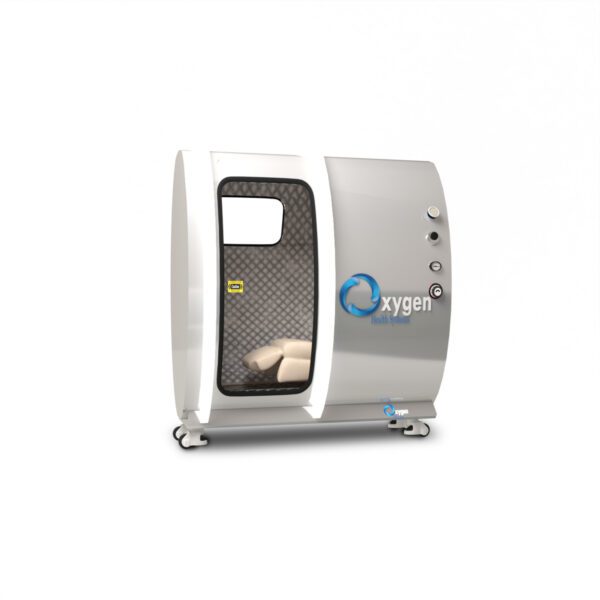
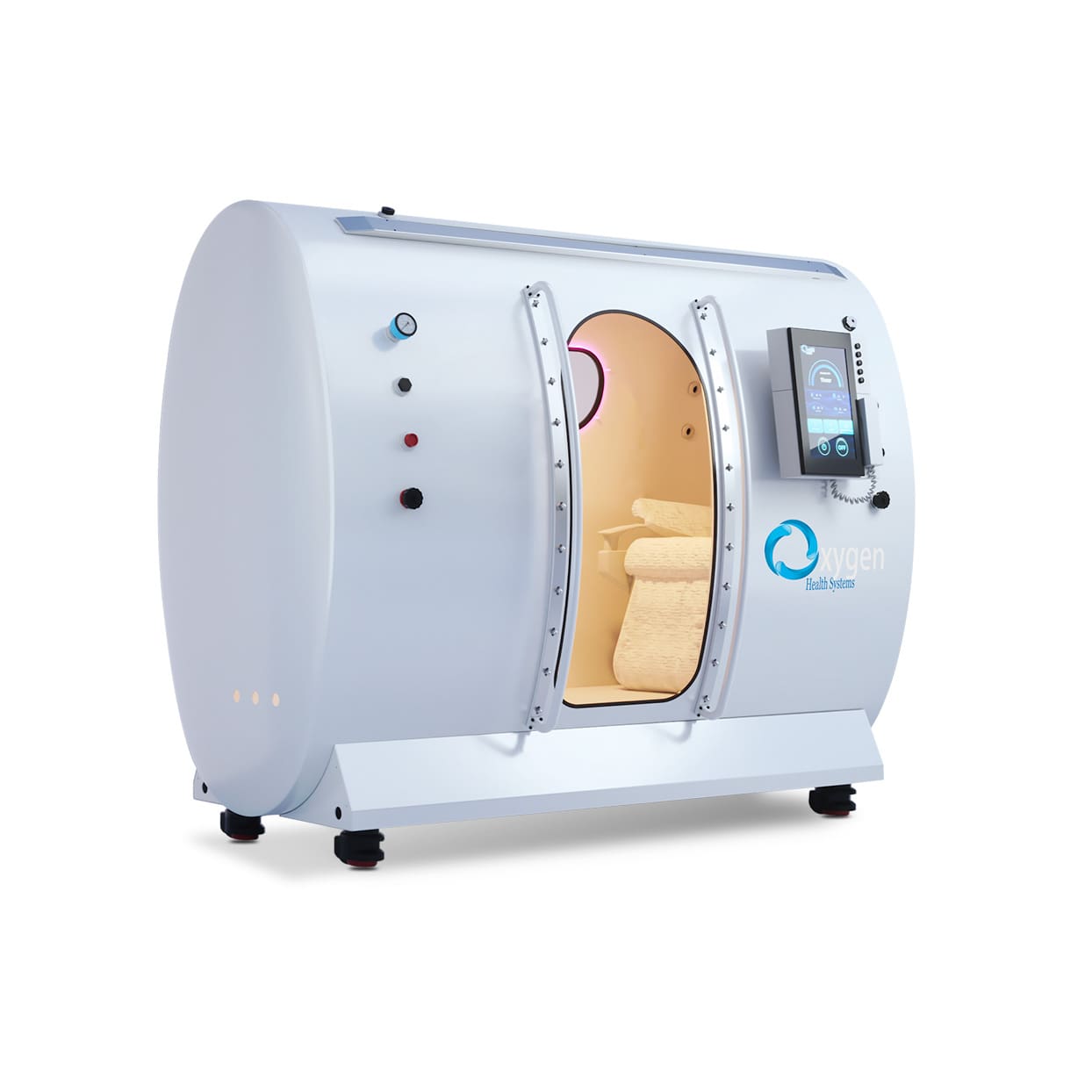

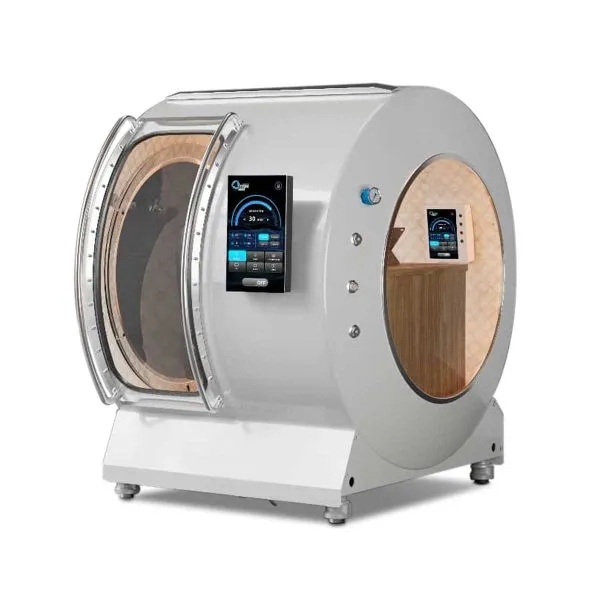
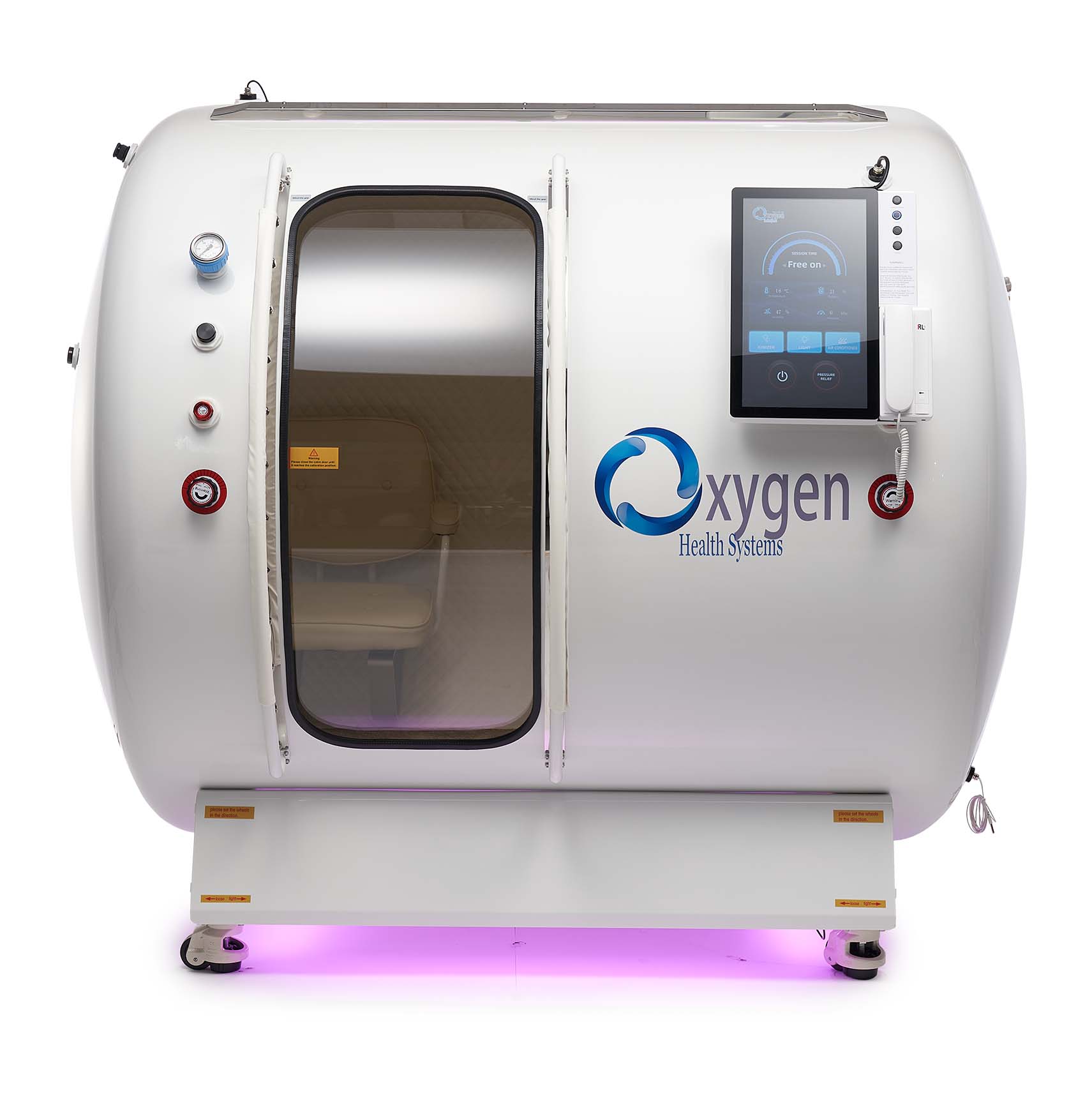

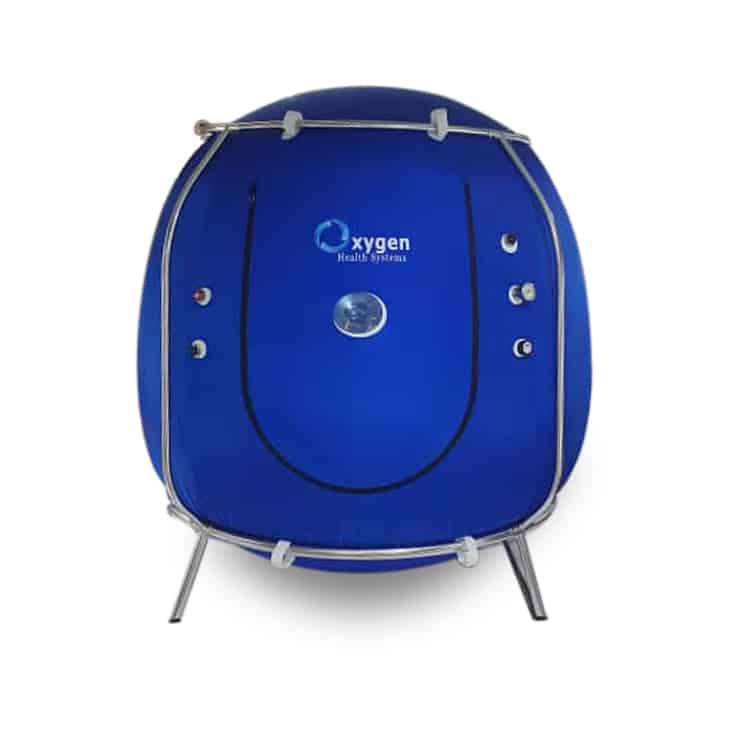

Choosing between a flexible chamber and a rigid chamber is not simply a matter of deciding which one looks more advanced. Soft-Shell vs. Hard-Shell Oxynova Chambers should be compared by intended use, pressure range, available space, comfort, access, supervision, installation needs, operating procedures, and budget. For everyday wellness routines, the best option is the one that fits the environment and can be used consistently while following the equipment instructions and appropriate safety procedures.
Soft-shell chambers generally use flexible materials and are often designed for lower-pressure operation, while hard-shell systems use rigid structures that may support different operating ranges and configurations. Exact specifications vary by model, so the manufacturer’s documentation matters more than broad category labels.
Soft-Shell vs. Hard-Shell Oxynova Chambers Differ Most Clearly in Structure and Pressure Capability.
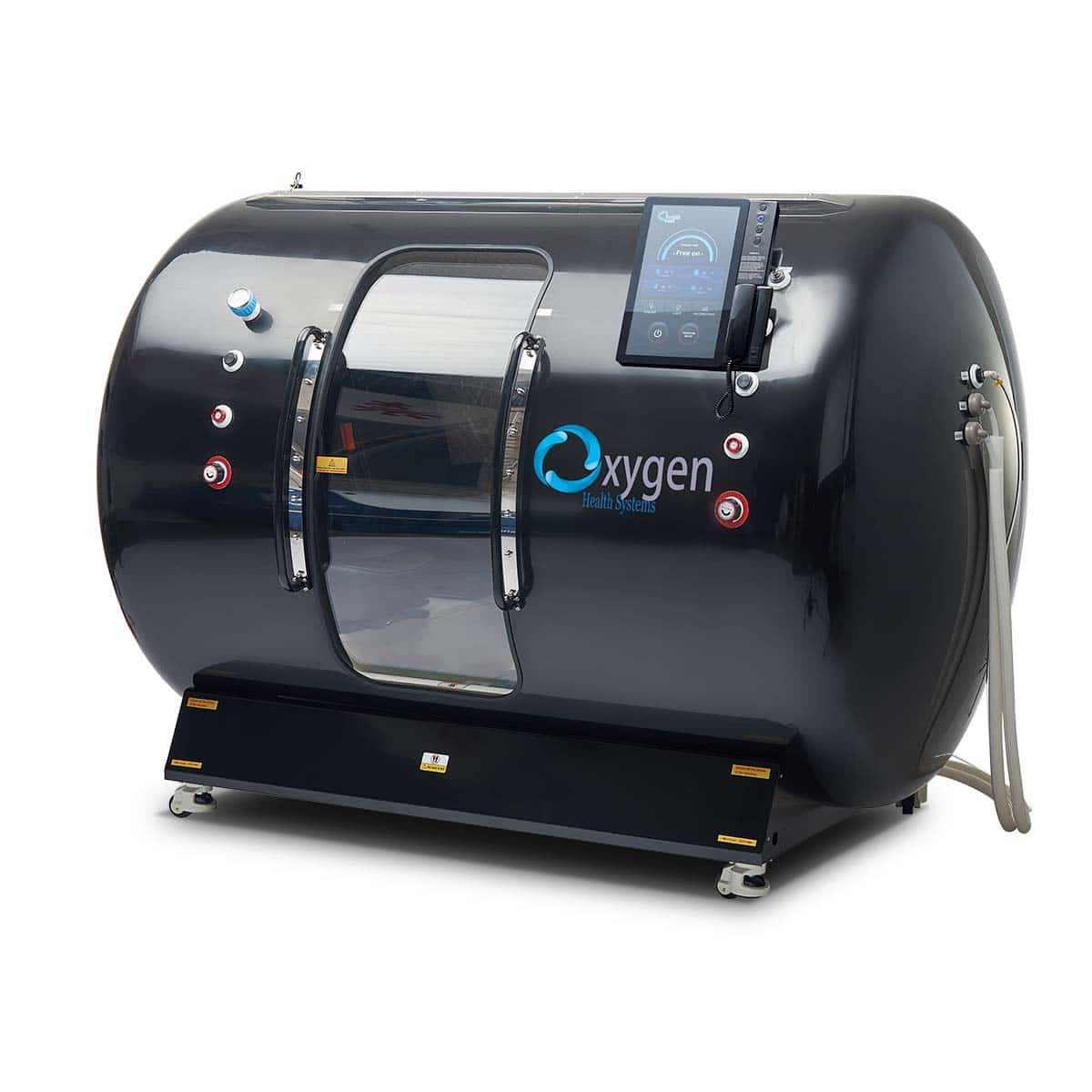
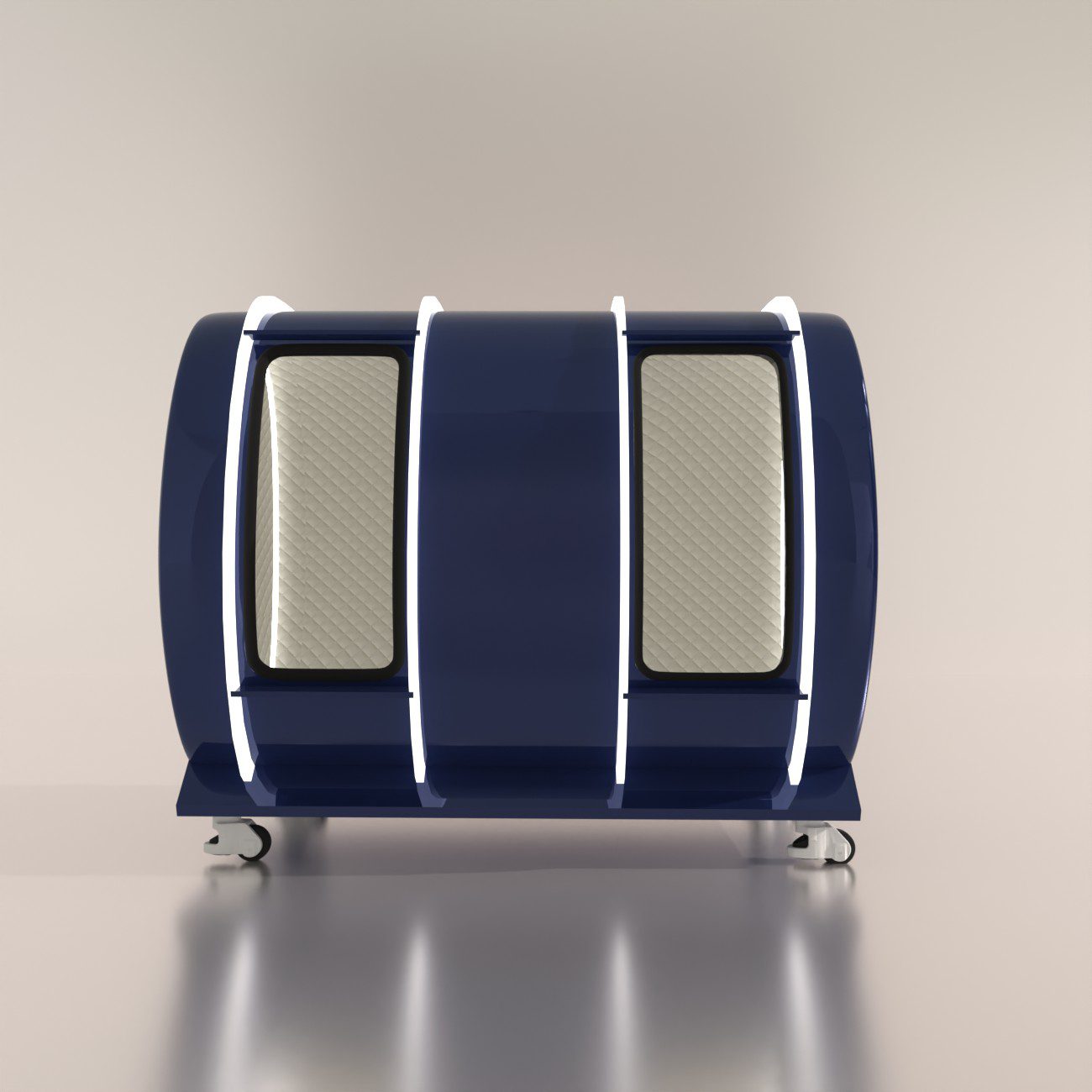
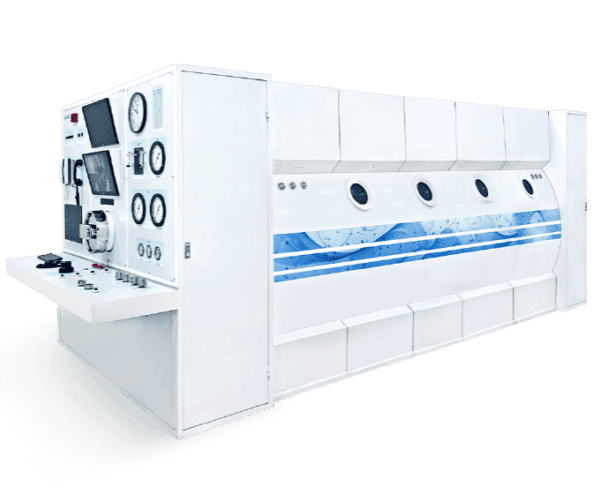
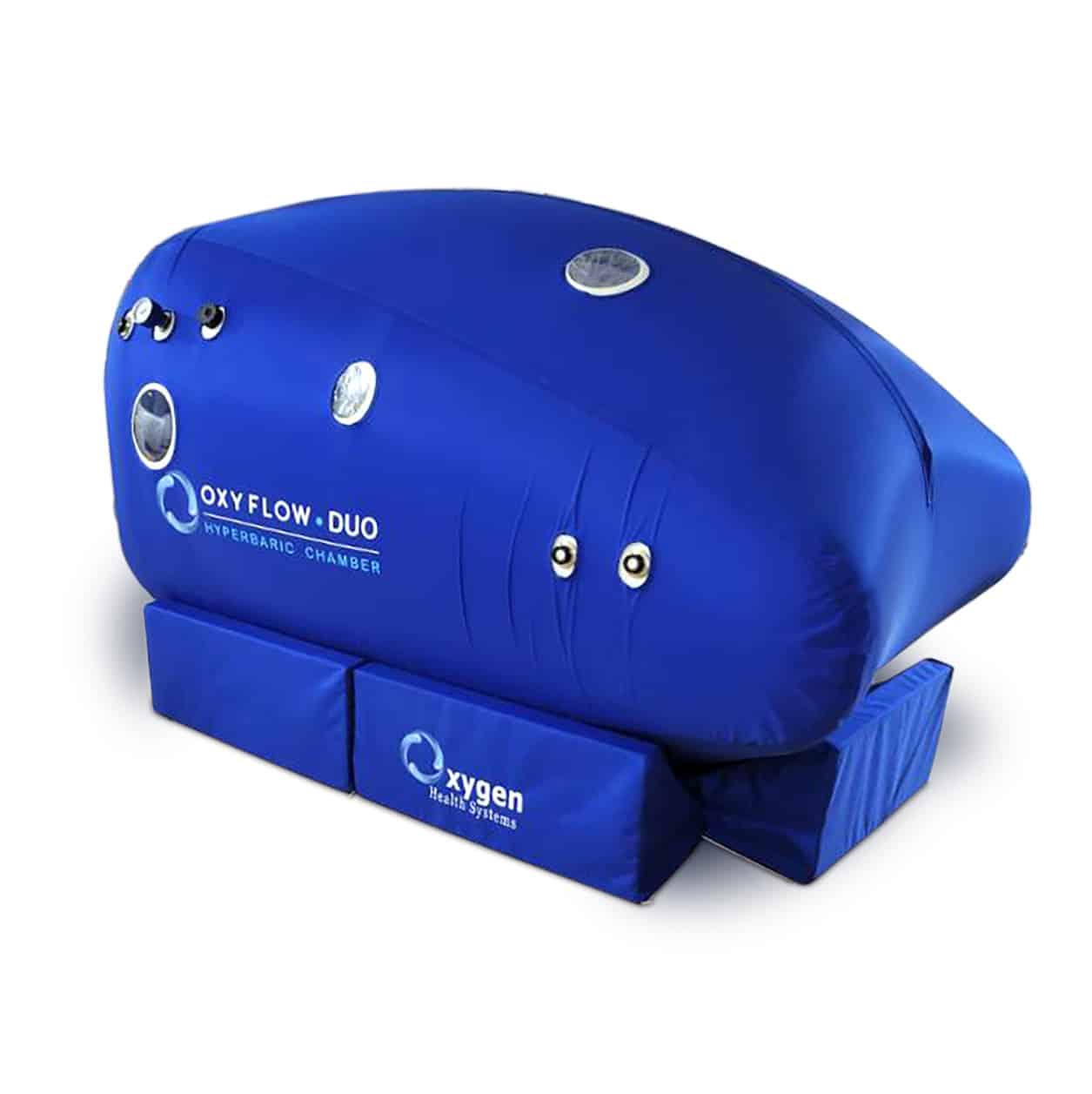
A soft-shell chamber uses a flexible body that expands as it is pressurized. This can make the unit feel lighter and more adaptable to some home or wellness environments. A hard-shell chamber uses a rigid body that maintains its structural shape whether pressurized or not.
Pressure capability is one of the most important differences. Some hard-shell systems are designed for higher operating pressures than typical soft-shell models, but exact limits depend on the specific chamber. Users should never assume that a higher maximum pressure automatically makes one option more suitable for everyday wellness.
Soft-Shell vs. Hard-Shell Oxynova Chambers Should Be Compared by Intended Use Rather Than Appearance.
A chamber may look impressive without being the best fit for a particular routine. A person planning occasional supervised wellness sessions at home may prioritize simplicity, access, and room requirements. A clinic or professional facility may have different priorities, including durability, throughput, monitoring, and a wider range of operating protocols.
Soft-Shell vs. Hard-Shell Oxynova Chambers make the most sense when the buyer starts with a clear use case. Define who will use the chamber, where it will be installed, how often it will operate, who will supervise sessions, and what level of pressure is actually required.
Soft-Shell vs. Hard-Shell Oxynova Chambers Can Offer Different Entry and Exit Experiences.
Entry design affects convenience, especially for older adults, people with limited mobility, or users who feel uncomfortable in tight spaces. Some flexible chambers use zippered entry systems, while rigid chambers may use doors or hatches depending on the model.
Before choosing a system, consider whether the opening is wide enough, whether the user must bend or crawl, and whether assistance is needed. A chamber that is difficult to enter may become less practical even if its specifications look appealing.
Soft-Shell vs. Hard-Shell Oxynova Chambers Should Be Evaluated for Interior Space and Comfort.
Interior dimensions can influence how relaxed a user feels during a session. Some people prefer lying down, while others may value a seated configuration or a larger interior that provides more room around the shoulders and legs.
Think about body size, preferred position, session length, and whether approved pillows or supports are allowed. Comfort matters because a chamber that feels cramped or awkward can make a routine harder to maintain.
Soft-Shell vs. Hard-Shell Oxynova Chambers May Feel Different During Compression and Decompression.
Pressure changes can create ear sensations similar to those experienced during airplane travel. The user should understand how to equalize ear pressure and how to communicate with the operator if discomfort develops.
Neither chamber category removes the need for careful compression and decompression. Operator training, communication, and adherence to the specific equipment procedure remain essential regardless of chamber construction.
Soft-Shell vs. Hard-Shell Oxynova Chambers Have Different Installation and Space Requirements.
Soft-shell systems may be easier to place in some residential or wellness spaces because of their lighter construction and potentially simpler setup. Hard-shell systems can require more floor space, stronger placement planning, and more attention to delivery access.
Measure doorways, hallways, elevators, ceiling height, and final room dimensions before purchasing. It is also important to consider ventilation, electrical requirements, service access, and enough surrounding clearance for safe operation.
Soft-Shell vs. Hard-Shell Oxynova Chambers Should Be Planned Around the Room Before Purchase.
A chamber should not be selected first and then forced into an unsuitable room. Sketch the placement, identify power sources, check access routes, and allow room for users and operators to move safely.
Homeowners should also think about noise, privacy, temperature, and whether family members need access to the same space. Professional facilities may need additional planning for workflow, cleaning, storage, and emergency access.
Soft-Shell vs. Hard-Shell Oxynova Chambers Can Differ in Portability and Long-Term Placement.
Portability can be an advantage for certain soft-shell configurations, especially when a room needs to serve multiple purposes. However, repeatedly moving or disassembling any pressure chamber should follow the manufacturer’s instructions to avoid damaging components.
Hard-shell systems are generally better suited to dedicated placement. Their weight and rigid construction can make relocation more involved, so the installation location deserves careful planning from the beginning.
Soft-Shell vs. Hard-Shell Oxynova Chambers Require Different Maintenance Considerations.
Flexible materials, zippers, seals, valves, hoses, gauges, and control components all need inspection according to the chamber’s maintenance schedule. Hard-shell systems may involve different door seals, hardware, pressure components, and service procedures.
Both chamber types should therefore be compared not only by purchase price but also by expected maintenance, replacement parts, technical support, service access, and downtime. Long-term ownership can be easier when parts and qualified support are readily available.
Soft-Shell vs. Hard-Shell Oxynova Chambers Should Include Routine Inspection in Every Ownership Plan.
Pressure equipment should not be treated like ordinary furniture. Inspect visible components as recommended, keep records of service, and address unusual sounds, leaks, damage, or control issues promptly.
Do not attempt unapproved repairs or modifications. Replacement parts should match the chamber requirements, and servicing should follow the manufacturer’s procedures.
Soft-Shell vs. Hard-Shell Oxynova Chambers Must Both Follow Strict Fire-Safety Practices.
Fire prevention is essential in any hyperbaric environment. Smoking materials, lighters, matches, unauthorized electrical equipment, and prohibited personal products should never be brought into a chamber.
Approved clothing, bedding, electronics, oxygen equipment, and skin products depend on the specific chamber and facility procedures. Users should follow the rules every session rather than assuming that something safe outside the chamber is automatically safe inside it.
Soft-Shell vs. Hard-Shell Oxynova Chambers Should Never Be Operated With Unauthorized Accessories.
Extra cushions, chargers, heating devices, battery-powered products, blankets, or entertainment electronics may seem harmless, but they should only be used when explicitly approved for the chamber setup.
A controlled environment works best when unnecessary variables are removed. Safety procedures should remain consistent even when a user has completed many previous sessions without a problem.
Soft-Shell vs. Hard-Shell Oxynova Chambers Need Reliable Communication and Supervision.
Users should know how to communicate with the operator before pressurization begins. If ear discomfort, anxiety, unusual breathing difficulty, dizziness, or another concerning sensation develops, the session should be managed according to the established procedure.
Supervision requirements can differ by equipment and setting, but convenience should not replace competent operation. The person responsible for the chamber should understand controls, emergency steps, pressure changes, and routine safety checks.
Soft-Shell vs. Hard-Shell Oxynova Chambers Should Be Compared by Operating Convenience.
Everyday use includes more than the session itself. Think about startup, cleaning, entry, pressurization, communication, decompression, exit, and shutdown. A system that is cumbersome to operate may be used less often than originally planned.
For a wellness routine, consistency may matter more than owning the most complex system. Clear controls, accessible entry, understandable procedures, and dependable support can make a chamber easier to integrate into normal life.
Soft-Shell vs. Hard-Shell Oxynova Chambers Can Have Different Cleaning and Hygiene Needs.
Any surface touched frequently should be cleaned with products and methods approved for the equipment. Flexible chamber materials may require different care from rigid interior surfaces.
Shared systems need an especially clear cleaning routine. Follow instructions for mattresses, pillows, masks, breathing components, windows, zippers, handles, and other high-contact areas.
Soft-Shell vs. Hard-Shell Oxynova Chambers Should Be Compared by Total Cost of Ownership.
Purchase price is only one part of the budget. Installation, delivery, room preparation, electrical work, oxygen equipment, maintenance, consumables, replacement parts, training, and service can all add to the long-term cost.
Soft-Shell vs. Hard-Shell Oxynova Chambers should be compared using a realistic ownership estimate rather than the advertised chamber price alone. A lower initial price may still be less attractive if service is difficult to obtain or essential accessories are expensive.
- Compare the chamber price and required accessories.
- Include delivery and installation expenses.
- Ask about maintenance schedules and replacement parts.
- Check training and technical-support availability.
- Consider room preparation and electrical requirements.
- Estimate cleaning supplies and other recurring costs.
Soft-Shell vs. Hard-Shell Oxynova Chambers Should Fit the User’s Mobility and Accessibility Needs.
A technically capable chamber is not useful if the intended user cannot enter, exit, or position comfortably. Consider step height, opening size, seating or lying position, assistance requirements, and whether the room allows safe transfers.
For older adults or anyone with limited mobility, a demonstration before purchase can be valuable. Testing the entry process often reveals practical issues that specification sheets cannot show.
Soft-Shell vs. Hard-Shell Oxynova Chambers Should Be Chosen With Claustrophobia and Comfort in Mind.
Some users feel comfortable in compact chambers, while others prefer more interior space or clearer visibility. Window size, lighting, body position, communication, and familiarity with the session can influence the experience.
People who are anxious about enclosed spaces should not be pressured into a chamber. A calm orientation, visual inspection, and discussion of communication procedures can help determine whether the environment feels manageable.
Soft-Shell vs. Hard-Shell Oxynova Chambers Should Avoid Common Buying and Usage Mistakes.
One common mistake is choosing solely by maximum pressure. Another is focusing on purchase price while ignoring service and maintenance. A third is buying a chamber before confirming that the intended room has enough space and access.
- Do not assume higher pressure automatically means a better wellness experience.
- Do not purchase before checking room dimensions and delivery access.
- Do not overlook entry design and mobility needs.
- Do not use unauthorized electronics, fabrics, or accessories.
- Do not skip maintenance because the chamber appears to work normally.
- Do not copy another user’s pressure or session routine without appropriate guidance.
Another mistake is treating soft-shell as automatically basic or hard-shell as automatically superior. Each design has practical advantages and tradeoffs that depend on the intended setting.
Soft-Shell vs. Hard-Shell Oxynova Chambers Work Best When the Choice Matches the Real Wellness Routine.
Soft-Shell vs. Hard-Shell Oxynova Chambers ultimately come down to fit. Soft-shell systems may appeal to users who value lighter construction, simpler placement, and lower-pressure wellness routines, while hard-shell systems may suit settings that prioritize rigid construction, different pressure capabilities, durability, or more permanent installation.
The right decision should consider far more than the chamber shell. Entry style, internal space, operator training, communication, fire safety, maintenance, service availability, mobility needs, and long-term operating costs all matter.
Before purchasing, compare actual model specifications rather than assuming every chamber in one category behaves the same way. Ask for operating documentation, maintenance requirements, installation details, and clear information about what accessories are included.
For everyday wellness, the most useful chamber is not necessarily the largest, strongest, or most expensive. It is the one that fits the user, space, supervision plan, and budget while supporting a safe, comfortable, and repeatable routine.



0 Comments