




Hyperbaric Chamber Use | Addressing Side Effects.
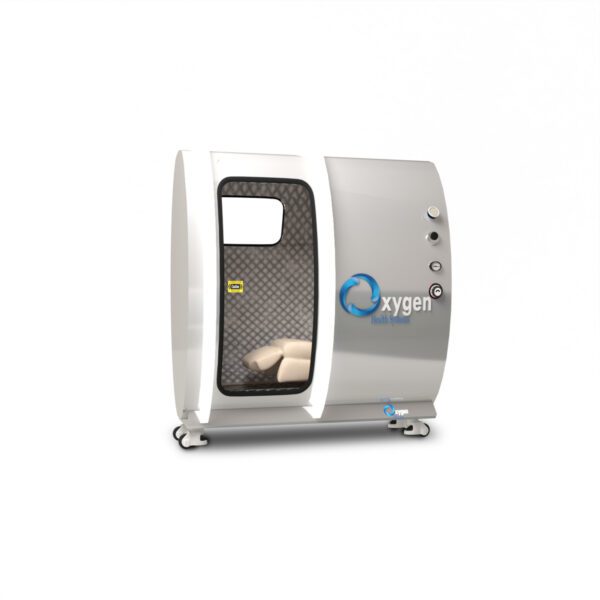
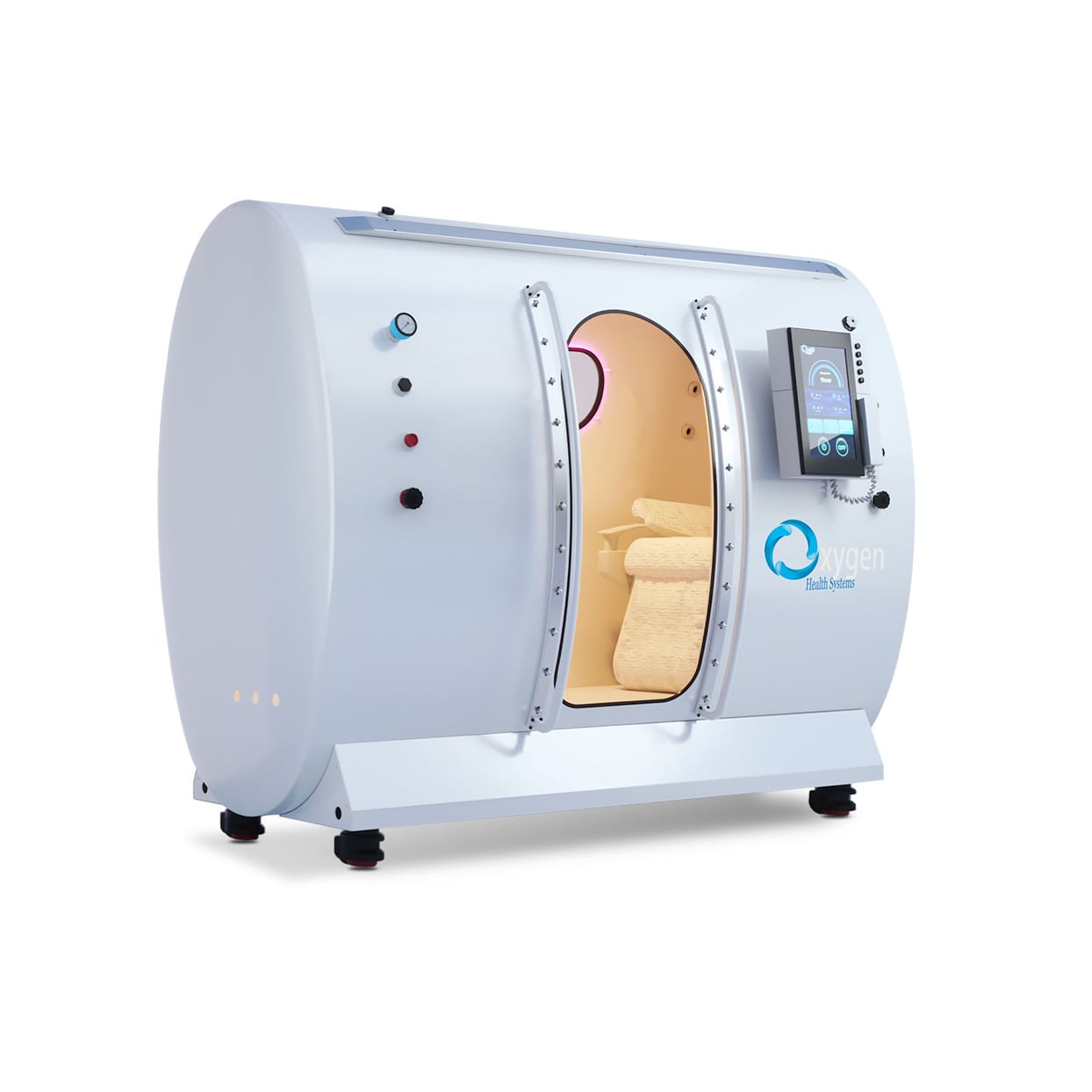
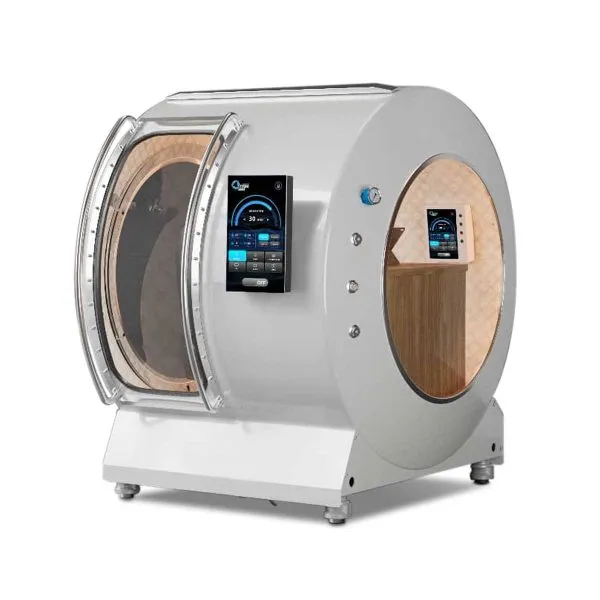
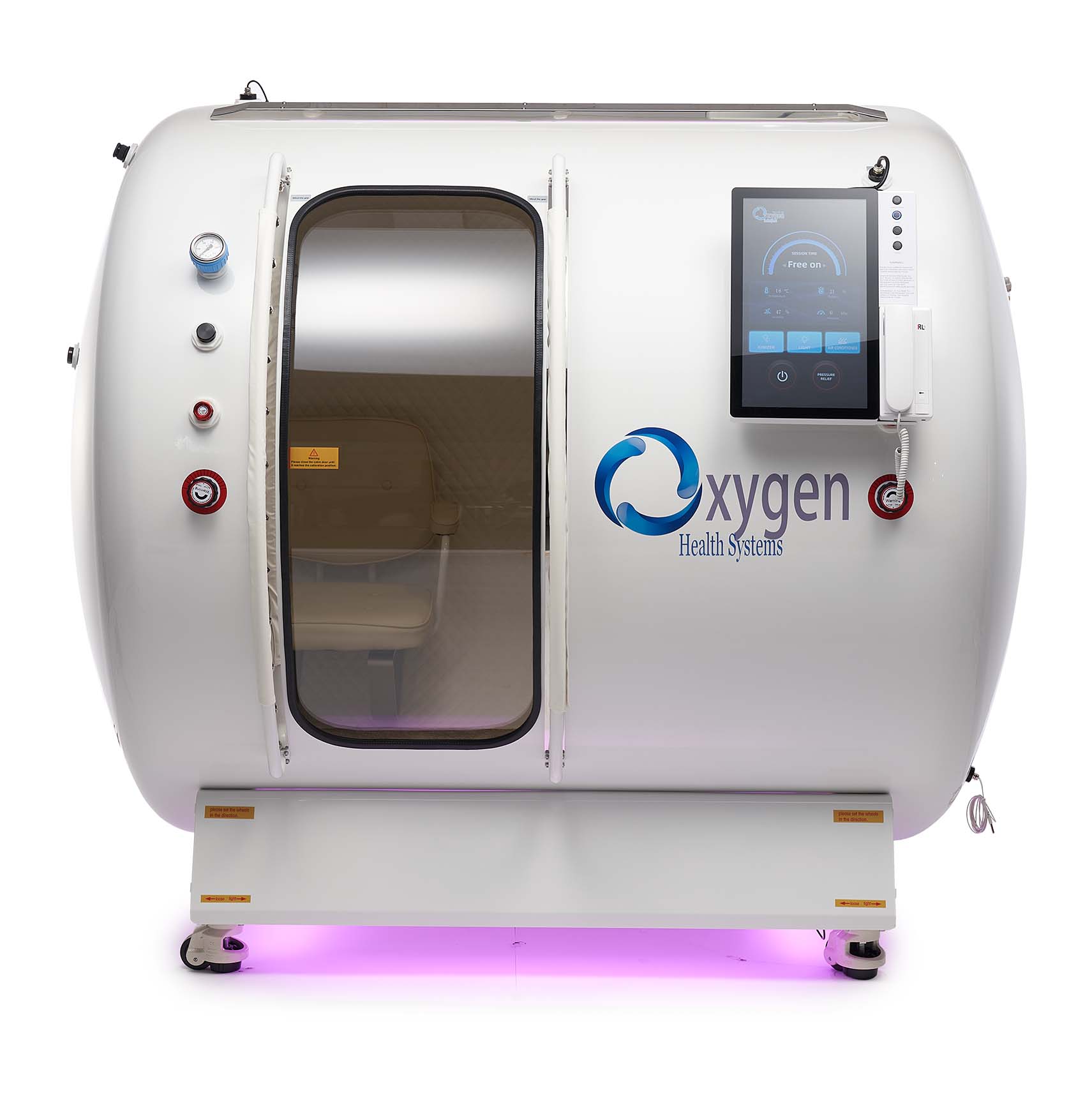
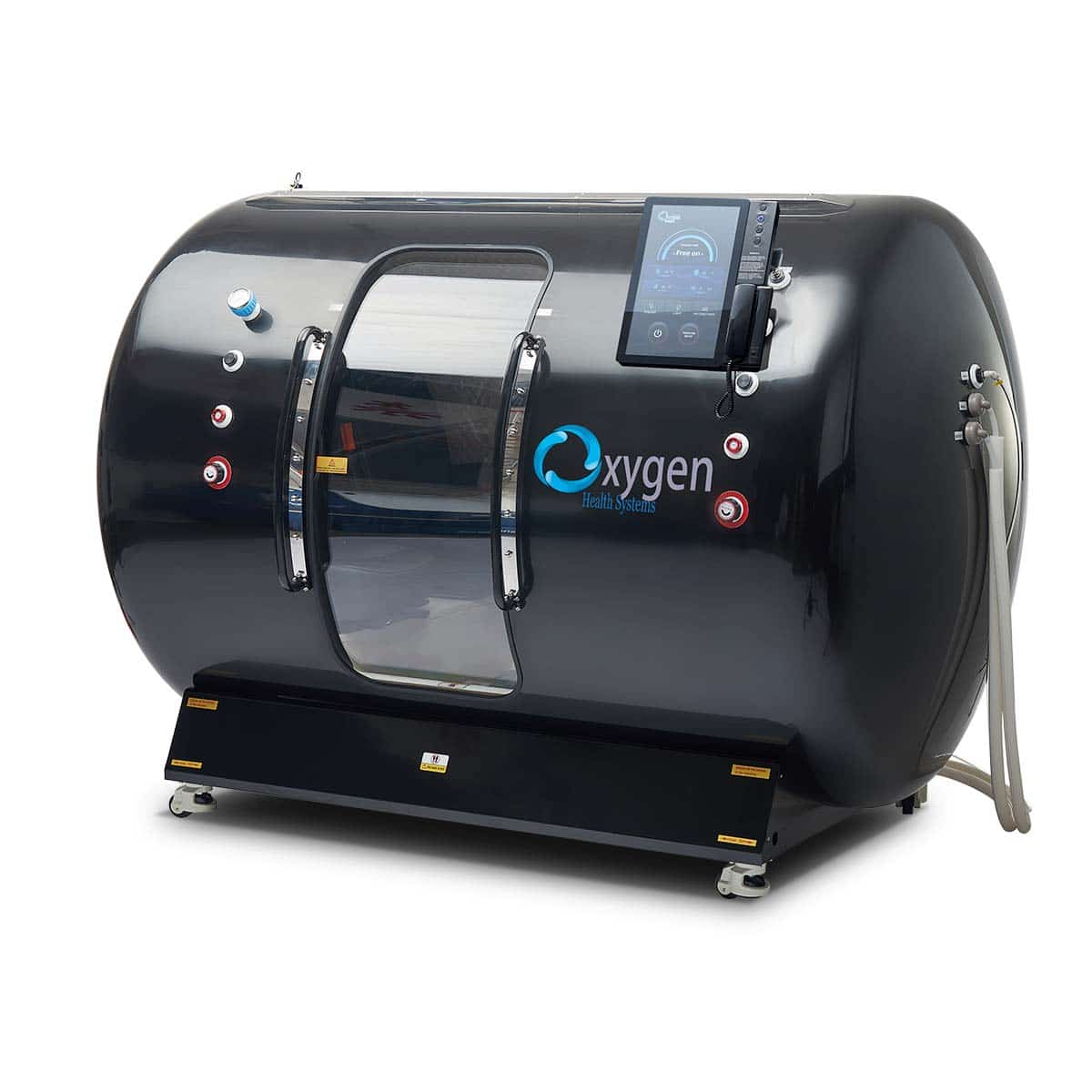
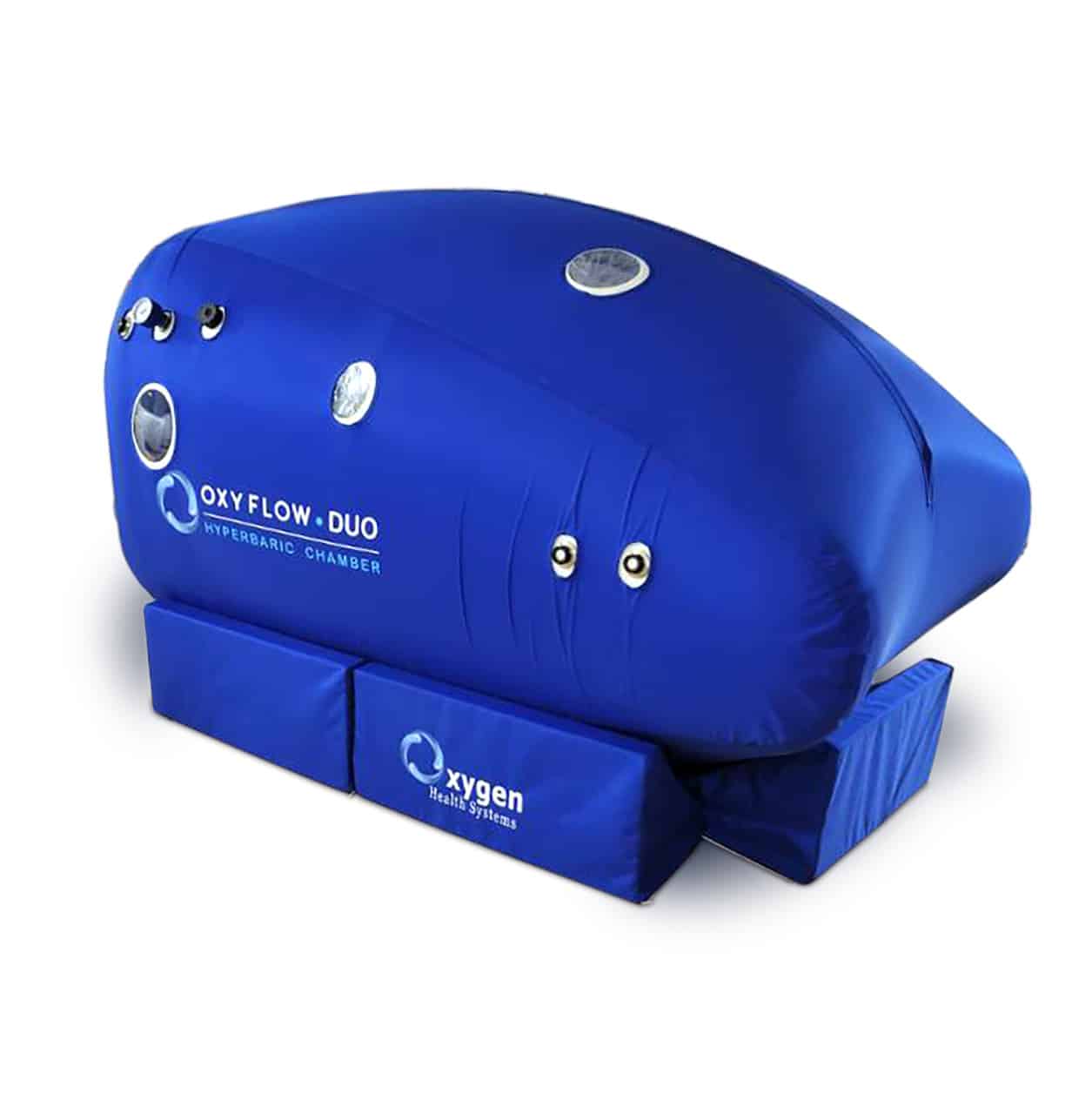
Hyperbaric oxygen therapy (HBOT) is a treatment that involves breathing pure oxygen in a pressurized room or tube. This therapy is commonly performed in a hyperbaric chamber, which can be beneficial for a variety of medical conditions. While HBOT can be incredibly effective in treating certain ailments, it’s essential to be aware of the potential side effects that may accompany this treatment.
Understanding Hyperbaric Chamber Therapy.
Hyperbaric chambers work by increasing the atmospheric pressure, allowing the body to absorb more oxygen than it would at normal air pressure. This process can promote faster healing and cell regeneration in individuals with various health issues. HBOT is used to treat conditions such as decompression sickness, carbon monoxide poisoning, non-healing wounds, and more.
Potential Side Effects of Hyperbaric Chamber Use.
While hyperbaric therapy is generally considered safe, there are some side effects that individuals may experience during or after treatment. It’s crucial to understand these potential side effects and how they can be managed.
Barotrauma.
Barotrauma refers to injuries caused by changes in pressure. During hyperbaric chamber sessions, individuals may experience barotrauma in their ears or sinuses due to the pressure changes. To mitigate the risk of barotrauma, patients are often taught techniques to equalize the pressure in their ears during treatment.
Oxygen Toxicity.
Breathing pure oxygen at high pressures for an extended period can lead to oxygen toxicity. Symptoms of oxygen toxicity can include coughing, breathing difficulties, chest pain, and vision changes. Hyperbaric chambers are carefully monitored to ensure that patients receive the appropriate oxygen levels to prevent toxicity.
Fatigue and Lightheadedness.
Some individuals may feel fatigued or lightheaded after hyperbaric chamber sessions. This can be attributed to the changes in pressure and oxygen levels experienced during treatment. Patients are advised to rest and hydrate after sessions to alleviate these symptoms.
Claustrophobia.
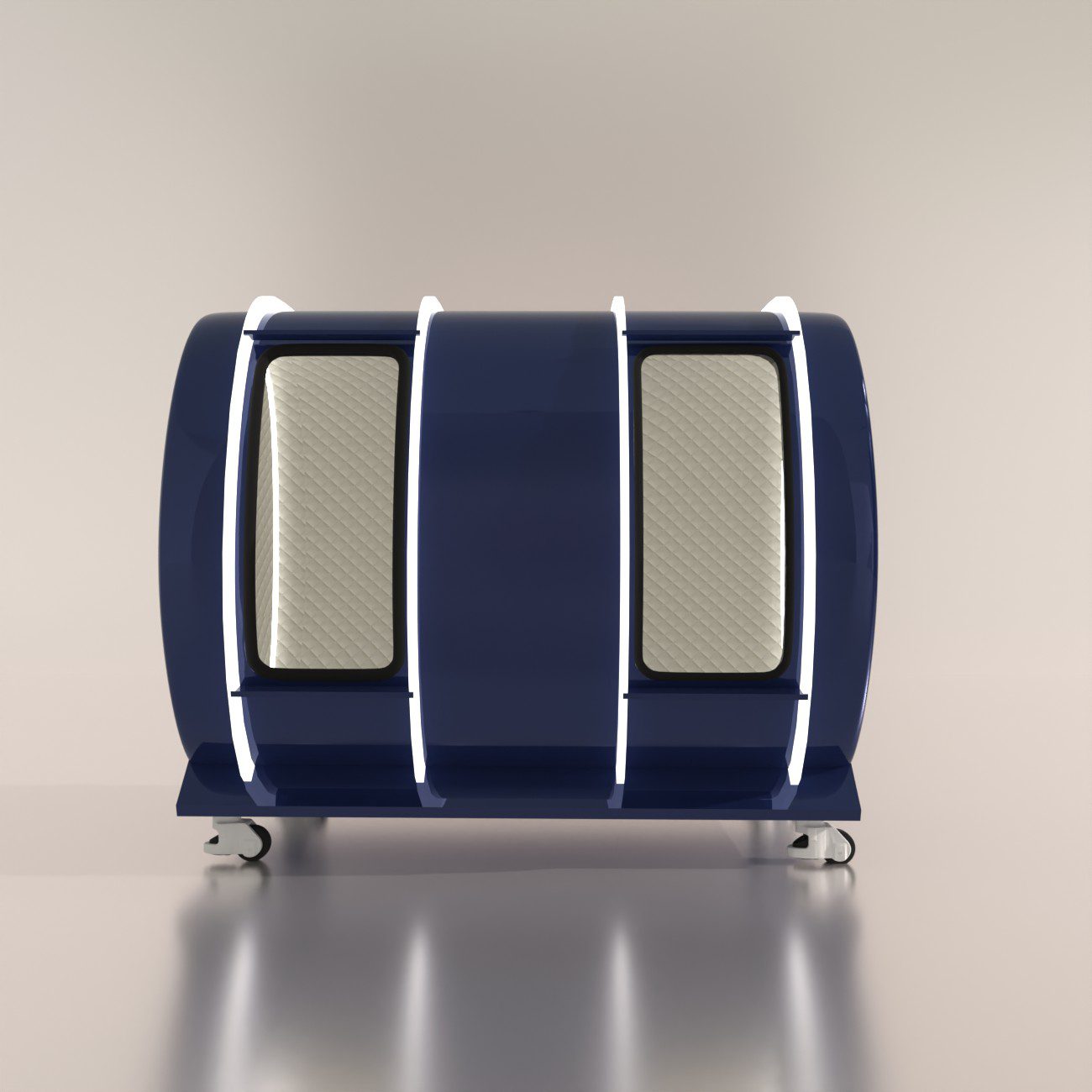
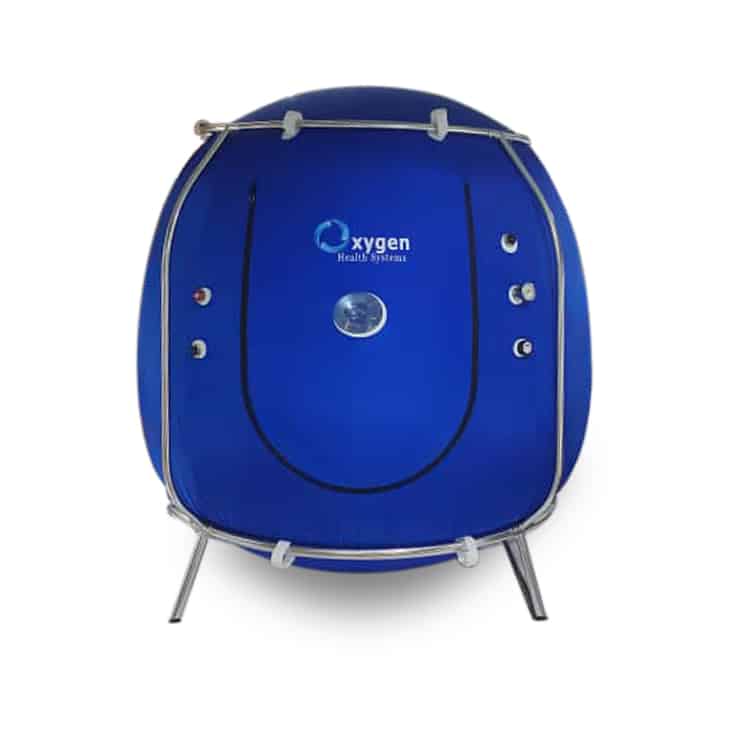
Hyperbaric chambers can be small, enclosed spaces, which may trigger feelings of claustrophobia in some individuals. Patients need to communicate any concerns they have about claustrophobia with their healthcare providers before starting HBOT.
Temporary Changes in Vision.
In rare cases, patients undergoing hyperbaric therapy may experience temporary changes in vision, such as tunnel vision or difficulty focusing. These changes typically resolve on their own after treatment.
Managing Side Effects of Hyperbaric Chamber Therapy.
While side effects from hyperbaric chamber use are relatively uncommon and often mild, there are strategies to help manage and alleviate any discomfort experienced during treatment.
Communicate with Healthcare Providers.
Patients must communicate openly with their healthcare providers about any side effects or concerns they may have during hyperbaric chamber therapy. Healthcare professionals can provide guidance and support to ensure a safe and comfortable treatment experience.
Stay Hydrated.
Proper hydration is essential before and after hyperbaric chamber sessions. Drinking an adequate amount of water can help prevent dehydration and alleviate symptoms like fatigue and lightheadedness.
Practice Relaxation Techniques.
For individuals experiencing claustrophobia or anxiety during hyperbaric therapy, practicing relaxation techniques such as deep breathing or visualization exercises can help promote a sense of calm and comfort.
Follow Treatment Guidelines.
Adhering to the recommended treatment guidelines provided by healthcare providers is crucial for minimizing the risk of side effects and maximizing the benefits of hyperbaric chamber therapy. This includes attending scheduled sessions and following any pre- or post-treatment instructions.
Conclusion.
Hyperbaric oxygen therapy can offer significant benefits for individuals with various medical conditions, but it’s essential to be aware of the potential side effects associated with this treatment. By understanding the possible side effects, communicating with healthcare providers, and following recommended guidelines, patients can undergo hyperbaric chamber therapy safely and effectively. Remember, the goal of HBOT is to promote healing and improve health outcomes, and with proper management of side effects, patients can experience the full advantages of this innovative treatment approach.



0 Comments